Fascinated by the unknown? Try these 8 offbeat destinations

Slide 1 of 8: As an isolated volcanic island in the southern Atlantic Ocean, Ascension is a truly one-of-a-kind destination. But this makes its accessibility difficult. There aren't many amenities on the island since very few travelers make their way to this location. The island has only 880 permanent residents, all of whom reside in the city of Georgetown. But that doesn't mean you shouldn't give it a shot! The Green Mountain National Park offers various walks through the island's lush vegetation.

Slide 2 of 8: This tiny nation is nestled between France and Spain in the Pyrenees Mountains. Andorra can be visited all throughout the year as it has no true high season. It's the perfect location for those who enjoy the great outdoors, with everything  from hiking to winter sports. It's also home to the Caldea Thermal Spa, Europe's largest spa, leaving plenty of opportunities to relax after a long day out in nature. The spa covers 6,000 square meters of both indoor and outdoor lagoons, saunas and pools. For those who like to ski or snowboard, there is Vallnord, a ski and snowboard resort located in the mountains overlooking the city.
Slide 3 of 8: Vanuatu is an archipelago that can be found in the South Pacific Ocean. With its unique topography surrounded by sea,  expect to find an abundance of natural wonders. The largest island is Espiritu Santo, and it's known for its beaches particularly Champagne Beach. Just north of the island is the Loru Rainforest Protected Area, where one can find creatures such as coconut crabs, bush tails and a bat cave. Nearby is the Nanda Blue Hole, a natural limestone swimming pool brimming with cerulean water. Mount Yasur is one of the country's most impressive sights and be found on the Tanna Island of Vanuatu.  The best time to visit is between the months between May and October, there are many festivals and sporting contests.
Slide 4 of 8: This tiny landlocked country found in Central Europe between Austria and Switzerland is often overlooked by travellers in continental Europe. But it's not exactly surprising that it's not as well known, given that it is a micro-state of only 160 square kilometers. Liechtenstein's biggest asset is its slopes, which one can make full use of for a range of outdoor activities. You can go snowboarding and skiing during the winter or hiking and mountain biking during the summer. There are two castles of note, Vaduz Castle and Gutenberg Castle. Vaduz Castle is the palace and official residence of the Prince of Lichtenstein, but what makes it truly special is that it appears to be hanging from the edge of a cliff!
Slide 5 of 8: Belize can be found on the eastern coast of Central America. Along the coast lies the Caribbean Sea and the west is covered in dense jungle. One of its top attractions is the Great Blue Hole, a natural marine sinkhole just off the country's coast. If you enjoy diving, this is easily one of the best diving sites in the world. Aside from stunning seas and water activities, there are some outstanding archaeological sites in Belize as well. Xunantunich is one of them, located in western Belize, and the large structures here can be climbed and explored. This site offers beautiful views and a rich cultural history. Belize also has its own barrier reef where snorkelers and scuba divers flock to explore the amazing coral reef under the sea.
Slide 6 of 8: If you're a nature lover, you'll want to add this landlocked destination to your bucket list. Lesotho is entirely encircled by South Africa, and its landscape has vast networks of rivers and mountain ranges. There's even a ski resort here called Afriski Mountain Resort located 3,050 meters above sea level in the Maluti Mountains. One of the best natural sights in the country is the Maletsunyane Falls, a 192-meter-high waterfall that most visitors have described as simply breathtaking. For further exceptional views, Thabana Ntlenyana translates to 'beautiful little mountain', which is an understatement to say the least. It's the highest point in the country standing at an impressive 3,482 meters.

Slide 7 of 8: Found in East Africa, Burundi is another landlocked country that's truly inviting with warm weather and even warmer people. It's home to the longest fresh water lake in the world, Lake Tanganyika, which can be admired from Burundi's remarkable beaches. Lake Tanganyika's beaches include La Costa Beach and Yucca Beach, and what makes them even more magical is the fact that you can watch hippopotamuses come out of the water and rest on the beaches. There are also ten therapeutic thermal sites around the country and for tourists, this is a great place to swim and relax. The drumming performances in Burundi also have their own spot on UNESCO Intangible Cultural Heritage List.

Slide 8 of 8: As one of Europe's smallest nations, Montenegro is a delicate gem. It's become well known in recent years, but still remains less visited than neighboring Croatia. It has an expansive sea, idyllic villages and impressive mountains. Not only is the nature remarkable here, but the Mediterranean cuisine on offer is also top-notch. You can choose whether to enjoy your days here basking in the sun on the beach or choosing to go on hikes through its wonderful nature. The mountains that frame its landscape are easily accessible and the best ranges are the Komovi and the Rumija. Montenegro is also home to the exquisite Bay of Kotor and most of the country's thriving towns are found along this quaint coastline.

26 Best Restaurants in New Orleans

Slide 1 of 21: Tell us about your first impressions when you arrived.
What could otherwise be a cold, industrial space is enlivened and warmed by the addition of a flock of hanging planter boxes descending from the ceiling and topographical murals on the wall. Floor-to-ceiling windows onto the street mean that light floods into the place.
What was the crowd like?
The clean lines place this restaurant in a minimalist ballpark and so it’s a young, fashionable crowd that eats here. The Central Business District location is also a factor, so expect after work parties in the mix and a casual atmosphere with some upscale sensibilities.
What should we be drinking?
The drinks reflect the Asian elements of the menu, and the cocktails are likely to feature ginger or lemongrass notes. There’s a compact but interesting selection of wines that span Old and New worlds fairly evenly, and the beer list includes some esoteric out of town brews alongside local favorites.
Main event: the food. Give us the lowdown—especially what not to miss.
The fusion concept could sound off-putting, melding as it does traditions from Asian, Italian and New Orleans cuisine. Yet that particular self-set challenge is met and the food is like nothing else in town. The crispy fried oysters are a great case in point, with soy aioli and Manchego cheese. Hand-pulled noodles are tossed with crab and sausage and tofu, and the crab amandine comes with overtones of coconut and lime. The aspirations here are lofty, but the ambition has paid off handsomely.
And how did the front-of-house folks treat you?
Silver-service standards are in evidence, despite the contemporary chic stylings and relative youthfulness of the servers. There’s potentially a lot to explain given the concept of the food, but questions are fielded with charm and reassuring amounts of food knowledge.
What’s the real-real on why we’re coming here?
There aren’t too many places in New Orleans that back up such an unusual idea with memorably good food, but this is one of them. Unless you’ve been here before, it’s unlikely you’ll have tasted favor profiles like this, and it’s well worth considering.

Slide 2 of 21: Tell us about your first impressions when you arrived.
The Garden District mansion that houses Commander’s Palace is an odd-looking, bright aqua affair; some jokingly call the style of architecture "Victorian Cuckoo." Inside, the style bends a knee to more traditional fine dining, with stiff white tablecloths, white walls, and crystal chandeliers.
What was the crowd like?
Many of Commander's Palace's diners are out-of-towners, but it’s also home to generations of Uptown families who come here for special occasions or even roll up on a regular weekday. Either way, it’s a genteel, buttoned-down clientele with an enforced dress code.
What should we be drinking?
By far, the restaurant’s most popular tipple is the 25-cent martini, which practically fly out of the bar during weekday lunchtime. But Commander's Palace's extensive wine list regularly wins awards on a national level, so you’re in good hands if something less boozy is your preference.
Main event: the food. Give us the lowdown—especially what not to miss.
Executive chef Tory McPhail's menu threads the culinary needle of tradition and innovation. Staples here include the turtle soup, gumbo du jour, and pecan-crusted gulf fish. Outside of these, expect meat and fish-heavy dishes with a strong French-Creole undercurrent.
And how did the front-of-house folks treat you?
You don’t wander in off the street for your first job in the service industry at Commander’s Palace. The staff here are the cream of the city’s hosts and chefs and bartenders, and it’s as professional a restaurant set-up as you’ll find anywhere, only with a distinct Nola charm.
What’s the real-real on why we’re coming here?
This restaurant belongs on the top of any list of must-dine places in New Orleans, good for a lunchtime bite or a four-hour indulgence for a birthday or anniversary.
Slide 3 of 21: Tell us about your first impressions when you arrived.
Housed in a relatively anonymous-looking building in the Central Business District, the dining room is disarmingly casual and as such, feels like a democratic venue to sample some of the city’s best food. The L-shaped dining room has simple lighting and unpretentious wooden furniture under calming olive tones.
What was the crowd like?
It’s one of the more unusual mixes of people at the restaurant’s dinner service, welcoming as it does tables of post-work executives, well-heeled families, and casual tourists who have broken out of the French Quarter grid and decided to explore.
What should we be drinking?
The wine list mixes Old and New worlds confidently, and at one of the more affordable price points for a restaurant at this level. Many reflect the French and Italian influences, and the cocktail program is an equally reliable back-up plan.
Main event: the food. Give us the lowdown—especially what not to miss.
You don’t become a well-loved New Orleans restaurant without some degree of homage to the classics, and the dirty rice and chicken, tasso, and andouille gumbo remain as popular as ever. Outside of this, Italian and French dishes vie for attention, with the gnocchi and homemade spaghetti being particularly memorable. Crispy goat and the duck leg confit are also a delight.
And how did the front-of-house folks treat you?
It’s a cozy dining room and the staff navigate the tables with balletic grace. Servers knew the menu and wine selections intimately, and aren't shy to engage in as long a chat as demand for their attention would allow.
What’s the real-real on why we’re coming here?
Herbsaint may not have the swagger of some of the city’s more famous restaurants, but this plays to its advantage and it delivers an assured discretion. It feels like a place for people more ‘in the know,' but without any undue snobbery.

Slide 4 of 21: Tell us about your first impressions when you arrived.
The reverence of the staff and excited chatter of your fellow diners tell you that you’re entering a venerable culinary institution. The dining room is traditional but not showy, with its green tiling and low-hanging ceiling fans.
What was the crowd like?
It’s probably the most salubrious and well-turned-out crowd in New Orleans, though the style is seriously old-school. Pastel dresses and pantsuits for the women, seersuckers and bowties for the men. It’s about as formal as it gets for lunch in New Orleans, and Friday lunch is the high mass of eating in this city.
What should we be drinking?
If it’s any indication, the wine list stretches to over 80 pages and sits like a weighty tome on the table as you sit down. It’s a defiantly old world collection, and their dashing sommelier is on hand to steer you through it.
Main event: the food. Give us the lowdown—especially what not to miss.
The menu reflects the regular diners here—rich, and steeped in local traditions. It’s a waltz through the traditions of French Creole cooking, with creamy sauces, and tangy seafood aplenty. Curiosities include the airy soufflé potatoes, the fired eggplant strips that you dip in powdered sugar, a duck crepe with house made cheese, and the five ways that the kitchen sends out crabmeat. Almost all the fish and meat dishes come out in butter or sauce. This isn’t a place for moderation.
And how did the front-of-house folks treat you?
Friday lunch here is an increasingly boisterous affair (people arrive from 11 a.m. and start drinking cocktails immediately), but the experienced staff (some have been here decades) know how to wrangle the crowds. Water, bread, drinks and the food all arrive at a pace that’s efficient enough for you not to wait but not too insistently quick that you feel rushed.
What’s the real-real on why we’re coming here?
Friday lunch here is one of the most remarkable dining experiences in the country, part century-old tradition, part boozy revelry. In short, it’s a microcosm of the city itself and well worth waiting in line for.
Slide 5 of 21: Tell us about your first impressions when you arrived.
The acoustics of this rustic-industrial space are often commented on and yes, it can get loud, but in New Orleans that’s like complaining about live music on your street. It’s a convivial space with an open oyster bar, and it’s built for people to socialize.
What was the crowd like?
Large groups are a specialty here, and they gather to dive into the bigger dishes of whole animals. It’s a Donald Link restaurant, so fans of Cochon wanting to ease off on the meat are in abundance, as are people keen to go beyond the usual shrimp and fish dishes that permeate this city.
What should we be drinking?
Of course white wines dominate the wine list, with a pleasing selection of by-the-glass options at prices that encourage branching out. The cocktail list, too, is aware of the delicate flavor profiles that are occurring on the plate, and gins and citrus are the mainstays there. Other than that, look to the draft beer selection for the more innovative pours of the local brewing scene.
Main event: the food. Give us the lowdown—especially what not to miss.
Pêche celebrates a visceral approach to eating fish and seafood, so expect whole fish (such as redfish or snapper) delivered to the table, ready to be sliced up and eaten between tables of friends. The menu is deceptively simple, with items such as shrimp bisque and grilled tuna, but the presentation and choice of ingredients and dressings is what elevates the experience beyond the tourist traps of the French Quarter. A steak option is usually there for diehard meat lovers. The raw seafood and oyster bar is also an obvious must-visit, with the Seafood Platter particularly good value.
And how did the front-of-house folks treat you?
The clientele are looking for certain standards in their seafood, so the server’s ability to, say, virtually pinpoint the sandbanks that the oysters were farmed on, is a huge boon. They’re young and enthused about the menus, which speaks incredibly well to the restaurant.
What’s the real-real on why we’re coming here?
It’s a place to throw into the mix whenever an out of town friend suggests one of the many overrated oyster or seafood restaurants in town and, as noted, it’s a particularly good place for a social sharing of bigger dishes between seafood-loving friends.
Slide 6 of 21: Tell us about your first impressions when you arrived.
The chatty, boisterous nature of the restaurant is apparent when you enter, the glee of meat-happy patrons bouncing off the wood paneling that frames the entire dining room. There’s almost a lumberjack-ian, cabin-like ambience to the place, a theme that sits well given the masculine, meat-heavy menu.
What was the crowd like?
Meat-lovers-going-hog-wild is the overriding sentiment here, with a mostly casual but enthusiastic crowd. You’ll see younger diners who want to Instagram their adventures as well as more mature types chatting over their boucherie tasting plates.
What should we be drinking?
The beer selection is a standout, with interesting draft options from local brewers figuring big on the drinks menu. The wine-by-the-glass selection is also impressive, and the cocktail menu has strong, savory flavors that can stand up to Cochon's robust food. Suggestion: Order the supremely popular bloody mary.
Main event: the food. Give us the lowdown—especially what not to miss.
Cajun flavors loom large here. The menu is understandably pork-heavy, with house-made sausage and bacon. Smoked, cured, and shredded preparations are also big stars. There's a smattering of other proteins, too: Rabbit and catfish make appearances, and the universally recommended bacon and oyster sandwich is an unmissable offering.
And how did the front-of-house folks treat you?
Since everyone in this part of the world has opinions on barbecued meat, it’s little wonder that the staff are incredibly knowledgeable and can field detailed questions about the menu.
What’s the real-real on why we’re coming here?
It’s a place to pig out, pun intended, but behind the baccanal is a commitment to high-quality, in-house food production. Despite the high standards, though, it feels casual and welcoming to a crowd that’s heard the hype and are looking to be impressed.

Slide 7 of 21: Tell us about your first impressions when you arrived.
August was one of the first fine-dining restaurants in the city to break away from the unswervingly old-school approach common among local institutions. As such, the resolutely modern dining room wouldn’t look out of place in New York or Chicago.
What was the crowd like?
The crowd is notably upscale, but skews young. The atmosphere is smart casual, drawing couples who want to broaden their culinary horizons over anniversary and birthday dinners.
What should we be drinking?
The wine room in this converted 19th-century building is two stories, which should give you some idea of the restaurant's robust selection. Don't worry, an in-house sommelier is on hand to help navigate the dizzying menu. If you'd rather skip wine altogether, the bar staff are more than well-acquainted with local classic cocktails; a pre-dinner Sazerac is never a bad choice.
Main event: the food. Give us the lowdown—especially what not to miss.
The modern French-Creole cuisine here is peppered with Asian influences and meditations on individual, seasonal ingredients. Spicy crab and cheese grits hint at some of the elevated rustic themes, while the Crisp Pompano and Scallop Almondine are New Orleans through and through. The tasting menu is surprisingly affordable, but clear a couple of hours at least.
And how did the front-of-house folks treat you?
The restaurant poaches the best-of-the-best servers from around the city, so you know you’re in experienced, trusted hands from the get-go.
What’s the real-real on why we’re coming here?
Special occasions are this restaurant’s stock-in-trade, and the whole place comes together to make it memorable.

Slide 8 of 21: Tell us about your first impressions when you arrived.
The small, red-bricked building in an unfashionable part of the Lower Garden District houses an aesthetic assault, melding retro and nostalgia design with trailer park and canteen decor. Everything from the salt-and-pepper shakers to the cutlery is kitsch, and none of it matches. Photos of food from other local restaurants line the walls, and it’s about as casual as one of the country’s best restaurants can get.
What was the crowd like?
Everyone is here, from trucker-capped hipsters to Garden District lawyers on their lunch breaks. The democracy of the seating and service, as well as the menu itself, means that you’re as likely to sit next to a family of tourists from Georgia as you are the mayor. Expect both Instagram-happy influencer types and regular folk who've heard how good the sandwiches are by word of mouth.
What should we be drinking?
Cocktails aren't a much publicized selling point, but they’re always a fun romp through the owner’s imagination. Gin, vodka and rum creations bear quirky names like "Snickerpoodle My Labradoodle" and "The Fish That Ate The Whale." The most obvious complement to your sandwich, however, is the ultra-savory Bloody Mary with its embarrassment of trimmings.
Main event: the food. Give us the lowdown—especially what not to miss.
On the surface, the restaurant is a sandwich bar with a menu offering such prosaic options as ham and bologna. However, chef and proprietor Mason Hereford’s obsession with ingredients and deconstructing his childhood comfort foods make even these basic sammies incredibly special. High-quality, locally sourced (where possible) meats, breads, and condiments make for a sublime experience. Beyond the sandwich menu, the deviled eggs with chicken skins are a complete delight.
And how did the front-of-house folks treat you?
It’s a casual spot. Orders are taken at the register before you sit yourself down and wait for the charismatic servers to bring out your sandwiches. The compact menu means that you’re not waiting long, even at busy lunch-time hours.
What’s the real-real on why we’re coming here?
If you think lunch can’t be exciting, or that sandwiches have lost their allure, you haven't been to this place. There’s visually and gastronomically a lot going on, and although your first visit may be disorienting, it’s very unlikely to be your last.

Slide 9 of 21: Tell us about your first impressions when you arrived.
Few restaurants can claim digs in a former chandlery. But that's the case for Compère Lapin, part of boutique hotel The Old 77, which boasts exposed brickwork and looming wooden beams. The atmosphere is buzzy, with an intimate bar up front and a cozy-knit collection of tables in back.
What was the crowd like?
Though its name might suggest a traditional French-Creole joint, the food at Compère Lapin is predominantly Caribbean, a relative rarity in this city. Cue curious foodies that want to go beyond the usual gumbo and jambalaya. Ages are mixed, but visitors tend to be well-dressed and just off work.
What should we be drinking?
The well-thought-out cocktail program is one of the city’s best and most exciting, helmed by powerhouse bartender Abigail Gullo. Even if the restaurant is slow, there’s usually a full complement of drinkers at the bar. The fresh-made frozen drinks are a particular favorite. The wine list stretches to around twenty pages, not too shabby for a restaurant of this size.
Main event: the food. Give us the lowdown—especially what not to miss.
Executive chef Nina Compton infuses classic New Orleanian cuisine with flavors of her hometown, St. Lucia. Spiced pig ears and conch croquettes kick off the starters, with jerk drum fish and a superbly rendered goat curry heading up the mains.
And how did the front-of-house folks treat you?
The dining room is casual and friendly. Servers easily crack smiles even under pressure, and are happy to field questions about menu items.
What’s the real-real on why we’re coming here?
Finding menus that memorably deviate from classic New Orleans cuisine can be tricky in this town, but Compton sticks to her vision with admirable, uncompromising aplomb and her restaurant is all the better for it.

Slide 10 of 21: Tell us about your first impressions when you arrived.
Even though the restaurant is only a decade or so old, walking in immediately feels like you've arrived at a New Orleans institution. The room is segmented into discrete dining areas, curtains and low walls creating a welcome sense of privacy and intimacy.
What was the crowd like?
The youthful outlook that emanates from the kitchen attracts swathes of young couples and fans of executive chef and owner Justin Devillier. The traditional décor, meanwhile, keeps the older residents of Uptown coming in droves.
What should we be drinking?
The cocktail menu here is especially strong, the pear brandy used in their version of the local favorite French 75 is a typical twist. The wine list contains itself to two pages, but plenty of those choices are available by the glass, though there aren’t too many bottles under $40. The beer list throws up a couple of oddities, including some choice Belgian brews.
Main event: the food. Give us the lowdown—especially what not to miss.
Devillier is known for his bold gastronomic choices, and starters such as the muscular blue crab beignets hold their own with malt vinegar dressing, while the butternut squash ravioli also come out fighting with brown butter and sage. The turtle bolognese is a stand-out on the list of mains, as is the hearty shellfish stew, while regulars repeatedly land on the LPG cheeseburger. It’s a menu of creativity and risk-taking that definitely pays off.
And how did the front-of-house folks treat you?
There’s a homespun charm to the service, which doesn’t slack on professionalism but is definitely at the laid-back end of the spectrum. Front of house staff are young and enthused about the food.
What’s the real-real on why we’re coming here?
Hearing that a chef is ‘creating a spin’ on local classics can sounds clichéd, but Devillier really is taking New Orleans food to interesting places, and LPG is one of the more esoteric Uptown restaurants doing it.

Slide 11 of 21: Tell us about your first impressions when you arrived.
Bright green bricks and wood form the unmissable façade of this converted Uptown mansion. The place has been painstakingly put together by owner JoAnn Clevenger, and is a tribute to as much local art as you’re likely to find inside any NOLA restaurant. There’s a succession of cozy dining rooms, and the arrangement immediately suggests a high class family establishment.
What was the crowd like?
The clientele seems to be mostly Uptown regulars, well-to-do families and couples sitting in their favorite rooms and chatting to the staff like old friends. JoAnn holds court most of the evening.
What should we be drinking?
The wine list isn’t the most extensive, but it’s a nicely chosen selection, and there’s a welcome choice of half bottles.
Main event: the food. Give us the lowdown—especially what not to miss.
An à la carte menu is available, but for first-timers, it’s wise to submit yourself to the "Taste of New Orleans" set menu. Duck and andouille etouffee is the stand-out appetizer, while the drum fish piquant and slow roasted half duckling are the most renowned mains. Louisiana pecan pie and Thomas Jefferson’s crème brûlée will delight diners with a sweet tooth.
And how did the front-of-house folks treat you?
The staff do everything they can to maintain the ambience of a family home, and JoAnn will not only stop to say hello, she’ll also send you on your merry way with a list of her local recommendations, including shops and even other restaurants.
What’s the real-real on why we’re coming here?
It’s definitely one of the more personal and intimate dining experiences that you will find in the city, but the casual approach doesn’t mean stinting on elegance.

Slide 12 of 21: Tell us about your first impressions when you arrived.
They might not be huge fans of the term ‘gastropub,’ but that’s the arena that Sylvain finds itself in—half swish restaurant, half knockabout bar. The walls are pewter and run up to a pressed tin roof, giving the main room a dark, classy look. Green leather-topped stools line up at the bar.
What was the crowd like?
The restaurant’s plum location in the French Quarter means that there’s lots of foot traffic, though the people from out of town are likely to be cocktail enthusiasts, or people looking for food that’s elevated above grabbing a slice on Bourbon Street.
What should we be drinking?
Classic mixed drinks such as the Sazerac and the Old Fashioned line up with innovative house cocktails that have a strong bourbon and whiskey motif. There’s even a section dedicated solely to brunch drinks. There’s a compelling selection of regional beers. There are around 15 wines by the glass at any one time, and the wine list is predominantly European.
Main event: the food. Give us the lowdown—especially what not to miss.
There’s a highbrow/lowbrow theme to the menu, steered with aplomb by chef Kyle Coppinger from Cochon. The starters cruise a line of artisanal ingredients, with cheeses, veal sweetbreads, and duck confit all making an impact. The mains swerve between braised beef cheeks and a Louisiana crawfish risotto. Comforting Southern standards make the cut too, and crispy Chick-Syl-vain sandwich (a play on the fast food of Chick-fil-A). There’s a hint of French Bistro, a hint of workaday diner.
And how did the front-of-house folks treat you?
The servers are streetwise, tattooed, French Quarter stalwarts, from the roguish, wisecracking bar staff to the charmingly acerbic front of house staff, and they know the menu back and front.
What’s the real-real on why we’re coming here?
Sylvain is a great French Quarter stop if you’re feeling like eating somewhere between high end and low rent, with well-rendered elements of both at play here.

Slide 13 of 21: The po' boy—a baguette-like loaf of French bread stuffed with meat or fried seafood—is as New Orleans as it gets. But with hundreds of places serving up countless variations, standing out is no easy feat. Killer PoBoys has miraculously managed it, though, with inventive fillings like "Black Beer Beef" and chicken confit. Also, a dedication to high-quality ingredients elevates its more classic varieties, like those filled with shrimp (spiked with coriander and lime) and ham (gussied up with caramelized onions and Creole mustard). Like any good po' boy, they're all substantial and satisfying.
Slide 14 of 21: Tell us about your first impressions when you arrived.
There’s a striking, classic simplicity to the dining room of this Uptown, Magazine Street restaurant. The high ceilings and simple columns frame a dark rose room, the pressed white tablecloths completing a well-rendered facsimile of a classic French bistro. Fresh flowers sit in glass vases at the table, and chatter bounces off the tiled floors.
What was the crowd like?
It feels like an elegant, high-class establishment not least due to the relative formality of the clothing here, mostly jacketed men and cocktail dresses for the women. It’s a special occasion kind of place, the clientele here looking for classics and familiar flavors.
What should we be drinking?
As with the cuisine, the restaurant focuses on doing a small amount of things extremely well. The cocktail menu has four creations and four classics, the former mostly light and bubbly, the latter with a little more heft. Wines by the glass (and half bottle) offer up a little more choice, with the main wine list offering—perhaps predictably—a very strong showing for French bottles.
Main event: the food. Give us the lowdown—especially what not to miss.
Though they’re apparent, chef/owner John Harris doesn’t limit himself to French influences, and some Italian sneaks into the menu. For appetizers, escargot sit next to tagliolini and familiar dishes such as gnocchi line up with local peculiarities such as boudin noir (a blood sausage). The roasted muscovy duck breast, a tender entrée served with cauliflower and spinach, is a staple of the mains, with steak, lamb and fish making up the short list. Again, there’s an impressive focus at play here and the kitchen isn’t overstretched by too much variety.
And how did the front-of-house folks treat you?
The petite size and popularity of the restaurant bring their own challenges to the logistics of the place, but the young staff are in control. They deliver advice and recommendations with clarity that inspires confidence.
What’s the real-real on why we’re coming here?
Come here to celebrate something, even if it’s just a Wednesday. A fair few restaurants in town aim for that classic bistro feel, but this restaurant actually achieves it, and delivers memorable, high-end dining that doesn’t stray into stuffiness.

Slide 15 of 21: Tell us about your first impressions when you arrived.
The name is not misleading, and historic City Park lies adjacent to this Brennan family outpost, which sports some stellar views. The main dining room has an angled, sloping ceiling and murals of racy bygone times frame the elegant décor, which has earthy tones.
What was the crowd like?
It’s certainly a well-to-do crowd, and the restaurant is a firm favorite for locals celebrating special occasions. Expect the foodie population of Mid City and visitors sitting down to dinner after a day exploring the park.
What should we be drinking?
As with most restaurants in Brennan's stable, the wine list is deep and well executed, and there’s a rotating selection of featured vineyards.
Main event: the food. Give us the lowdown—especially what not to miss.
Executive Chef Chip Flanagan has a reputation for flamboyance, if not culinary eccentricity, so what could be a run-of-the-mill Creole-French menu in other hands takes some interesting turns. Oysters come in an individual pie, or baked with parmesan, while the rabbit jägerschnitzel is a wonder of Asian fusion ingredients. The BBQ gulf shrimp are cooked in NOLA Blond, a local ale, and there are solid steak and fish options if you want to share an entrée.
And how did the front-of-house folks treat you?
In true Brennan style, the effusive welcomes come thick and fast as soon as you arrive, and the staff are well trained to explain the peculiarities of Chef Flanagan’s dishes, as well as the extensive wine list.
What’s the real-real on why we’re coming here?
The park views are worth a visit alone if you can get one of the in-demand window tables, and the menu will please even the most jaded French-Creole cuisine aficionado.

Slide 16 of 21: Tell us a bit about what we can expect from this restaurant, to start.
Couvant, the onsite restaurant at The Eliza Jane hotel, borrows from—and adds—to the property's European aesthetic. New Orleans has precious few very traditional French restaurants, so this is a welcome chance to sample a menu that commits to the discipline.
Lovely. So who's there?
Diners here are looking for that sweet spot between casual and fine dining. You'll be among serious food-people looking for an evocative taste of France.
What's on the drinks list?
The cocktail list furthers the Gallic flair, with absinthe frappes alongside European staples such as calvados and cognac. The beers hail from Louisiana, and the wine list stocks a suitably impressive lineup of French bottles.
On to the real reason we're here: the food. What does the kitchen do especially well?
Chef Brad McDonald's classics underscore his talents; the parsley-and-garlic escargot, for instance, will not disappoint. Salads are just as decadent; the Lyonnaise comes with bacon and lardon and a Champagne vinaigrette. Entrees are focused and confident; there are two steak frites options, a couple of fish dishes, and moules frites.
How's the service?
The staff are organized and well informed; service is at a fine dining level without being fussy or overbearing.
Why would you recommend Couvant to a visitor to New Orleans, whether or not they're staying at The Eliza Jane?
A lot of restaurants in town are French influenced, but few go all the way. That's where Couvant steps in.

Slide 18 of 21: What are your initial impressions of the restaurant
A former donut shop, Luvi is a small, lovely restaurant with bespoke woodwork and pops of bold colors and patterns. The pan-Asian menu, unique in NOLA, includes Japanese dishes, plus some favorites from the chef's hometown of Shanghai.
Who are we likely to see here?
Expect a crowd of in-the-know restaurant hawks bellying up to the counter and huddled around tables.
Cool. So what's on offer at the bar?
Cocktails sport Asian influences; the lychee martini and its fellow concoctions draw upon ingredients like ginger, shochu, and citrus. There’s no wine list, but you can bring your own for a corkage fee.
And the kitchen? What do they do especially well at Luvi?
The menu is split between cooked and raw dishes. Try the Lion’s Head, a savory crab-and-pork meatball in bone broth; the Mala Holla, spicy slices of beef; and Chef Hao’s Mama’s Dumplings (his actual Mama’s recipe). The raw bar turns out innovative sashimi and a great ceviche.
How's the service?
The staff copes with the bustle and spatial restrictions of a small, busy restaurant. But if you need some pointers with the menu, your server won't be too harried to help.
What’s the real-real on why we’re coming here?
Luvi is the perfect place to expand your understanding of Asian cooking in NOLA.

Slide 19 of 21: As you arrive at the restaurant, what do you see? What's this place like?
The pastel yellow façade of this French Quarter joint may be fresh, but the building itself is one of the oldest in town, dating back to 1794. After dozens of incarnations, the cozy space—now with modern wood paneling and whimsical wallpaper—has opened as Longway Tavern. The restaurant comes from the team behind Barrel Proof, a much-vaunted local whiskey bar, so it had buzz from the get-go.
Nice. So who's here?
Longway draws a slightly younger and trendier crowd than its neighbors. You'll see locals scoping out Barrel Proof’s new sibling, as well as in-the-know visitors avoiding the obvious tourist spots.
Speaking of the sibling whiskey bar—what's at the bar here?
The bar elevates classic daiquiris, sours, and highballs with top-notch ingredients. There's also a robust selection of beer and wine.
And the food? Tell us about the highlights from the kitchen.
Chefs Liam Deegan and John Sinclair aim for what they call "nostalgic tavern fare"—hearty favorites like cassoulet, lamb leg roulade, and pork chops. Wagyu steak sandwiches and fried calamari are also standouts, especially if you're just looking for a beer and a more casual bite.
How's the service?
French Quarter service is famously difficult; staff must explain NOLA dishes to tourists while also keeping locals happy, too. Servers here toe that line with aplomb; they're friendly, informative, and enthusiastic.
So why would you recommend Longway Tavern to a visitor to New Orleans?
There are hundreds of casual dining options in the Quarter, of course, but for slightly elevated bar food—made with inventiveness and respect for ingredients—this is the spot.

Slide 20 of 21: Set the scene for us. What's this place all about?
At first glance, GW Fins looks like a typical fine dining joint in the French Quarter—if slightly more modern than some of the more famous institutions. But it’s what’s going on inside the kitchen that really sets it apart from its peers: an innovative approach to seafood that celebrates the diversity of the Gulf.
Delicious. Before we get into the seafood, tell us about the crowd. Who's here, usually?
A  smart, buttoned-down crowd with an adventurous streak. Everyone seems happy to put their confidence in the chefs.
And what are they drinking?
Cocktail include inventive house variations on the Cosmo, Martini, and Sazerac. The wine list, packed with seafood-friendly options, includes affordable whites and Pinot Noirs.
Okay, now the food. What does the kitchen here do best?
Chef Tenney Flynn changes the entrées daily, depending on what maritime delights his dockside sources have for him. Not many places in town serve up Dover sole or branzino, but you can find them here. The most sought-after dish, though, is the Scalibut, a halibut and scallop combination that’s a true original. Apps, which tend not to change as much, include glorious lobster dumplings and a seafood gumbo.
How's the service?
A diverse, ever-changing menu keeps the staff on their toes, but they seem to roll with it. On a recent visit, our server took the time to walk us through the menu and offer wine-pairing suggestions (which were excellent).
Why would you recommend GW Fins, then?
Come to enjoy some very capable culinary risk-taking. If you like a farm-to-table ethos applied to you seafood, this restaurant will, uh, float your boat.

Slide 21 of 21: What's the hype here?
Many visitors flock to the residential Bywater district to sample the talents of chef Nina Compton, most famously of Compère Lapin. Bywater American Bistro, Compton's new venture, is an industrial space that bills itself as an American neighborhood restaurant.
Cool. So who are we likely to see?
Local millennials trying to mix up their brunch game; tourists willing to forgo the French Quarter dining scene for something farther afield.
What's on offer at the bar?
A small cocktail list packs in a lot of diversity, from a straightforward gin and tonics to more adventurous brandy sours. The wine list is extensive, with some non-traditional picks from Austria and Greece.
And the kitchen? What does Bywater excel at?
Sous chef Levi Raines is at the helm here, but Compton’s Caribbean influences are strong. The result is an eclectic menu with dishes like jerk chicken rice and crispy hogs head boudin. Gulf fish are presented in nuanced, thoughtful ways, as is the rabbit curry.
How's the service?
Much like the space, the staff here is young and exuberant. There’s an energy and liveliness to the place that might overwhelm less skilled servers, but here they more than adequately keep up.
What’s the real-real on why we’re coming here?
Weekend brunch is alone a reason to come here, especially for the Proper Breakfast, a local take on a British fry-up. Fans of Compère Lapin will want to see how chef Compton has expanded her horizons.

This coastal road trip is the best way to explore Scotland

Slide 1 of 4: With its magnificent castles, long sandy beaches, rugged landscape and abundant wildlife, it is no wonder Scotland is often voted the most beautiful country in the world. If you're planning to visit, what better way to see these award-winning wonders than to take a road trip around the Scottish Highlands. The North Coast 500 is Scotland's newly founded official road trip, taking participants along winding, coastal roads and through quaint, historic villages on a 516-mile journey through paradise.

Slide 2 of 4: Traditionally, the route begins and ends in Inverness, in the southwest corner of the Highlands. However, you can start your trip from anywhere along the route, and shorten it if you have a limited number of days. The adaptability of the North Coast 500 is what makes this a great way to see Scotland, no matter your itinerary. If fuel wasn't an issue, the entire route could be done in under 13 hours, but what fun would that be? From gorges, beaches and waterfalls to museums, nature reserves and castles, the trip can be stretched from 4 days to 4 weeks. It's completely up to you.
Slide 3 of 4: The clue is in the name: this trip's main focus is the coast. The north of Scotland boasts some of the most gorgeous beaches in the world, with top picks being Achmelvich Bay, Sandwood Beach, Sango Bay and Oldshoremore Beach (pictured). Attractions along the route include the Trailigill Cave network, the Corrieshalloch Gorge, numerous whisky distilleries, golf courses, boat tours, and mainland Scotland's northernmost fish and chip shop, in John O'Groats. You can even hop on a ferry from here and spend a day or two on the Orkney Islands. Stop off and explore these wonders in between stays at a range of places like minimalistic B&Bs, luxurious castles, and cosy log cabins.

Slide 4 of 4: So, whether you have a few days to fill or a long holiday to plan, the North Coast 500 is by far the most adventurous way to see Scotland in all of its natural glory. Make sure you plan ahead and come prepared; Scotland's climate is ever changing, so pack sunscreen and a hat, alongside thick socks and a waterproof jacket!

The Best Places in the World to Travel if You Love Mushrooms

Scenes from the famous Noms restaurant in Copenhagen
DITTE ISAGER/COURTESY OF NOMA

The culinary world owes a lot to whoever first discovered the magic of mushrooms. Fungus — from everyday cremini to decadent morels — is an undeniable gift from nature. A vegetarian’s delight, the fleshy, umami-packed vegetable offers an unparalleled, meaty addition to everything from soup and sauces to pasta and pastries.

But the best thing about mushrooms? They occur naturally all over the world. Unlike a lot of seasonal or state-side veggies, like squash or corn, the versatile — and sustainable — mushroom varies country to country, making it a cultural Easter egg that varies based on dish and destination.

You don’t have to stick to truffles or morels, either. What’s great about mushrooms is that the everyday cremini or enoki mushroom can be just as decadent when prepared properly. An enoki-packed bowl of ramen in Tokyo can be just as satisfying as a fresh truffle butter pasta in Piedmont. Whatever your culinary preference may be, here’s where to travel to satisfy your inner fungus fiend.

Cafe des Spores in Belgium
COURTESY OF CAFÉ DES SPORES

Brussels, Belgium

Europe is home to a wide variety of decadent and everyday mushrooms, but to get a taste of the entire European fungi spectrum, head to Café des Spores. This decidedly cool, but surprisingly affordable bistro nestled in the trendy Saint Gilles neighbourhood serves mushrooms in every single dish — including dessert. While the menu changes seasonally, expect everything from porcini and cheese croquettes to mussels with Jerusalem artichokes and black chanterelles.

Homegrown Oyster Mushroom at Rotterzwam in the Netherlands
MICHIEL VAARTJES/ALAMY

Rotterdam, Netherlands

While mushrooms are, for the most part, naturally occuring, two friends from Rotterdam took fungus production into their own hands by collecting coffee grinds from cafés across the city and growing no-waste oyster mushrooms. Known as Rotterzwam, the innovative mushroom producers now supply many local restaurants and continue to operate in a sustainable manner, fostering a no-waste ecosystem across the city.

Black corn and mushrooms at Coyoacan market in Mexico City
XEUPHORIAX/SHUTTERSTOCK

Mexico City, Mexico

Think mushrooms only grow in meadows and woods? Think again. Huitlacoche — otherwise known as corn smut, or, more elegantly put, Mexican truffle — is technically a plant disease that spreads into ears of corn but tastes undeniably decadent. The blue-black spores are considered a delicacy, and are best served on huarache or tostadas. Head to the Mercado de Coyoacán just around the corner from the Frida Kahlo museum, for a huitlacoche tostado — or two. And unlike traditional truffle dishes, a huitlacoche tostada will run you less than a dollar.

Nimmo Bay Resort in Vancouver, Canada
COURTESY OF NIMMO BAY

Vancouver, British Columbia

The West Coast of Canada has some of the most vast, biodiverse wilderness in all of North America — making it a great spot to forage for fungi. Just outside of Vancouver, there are countless forests plenty with everything from chanterelles to lobster mushrooms. Many fishing resorts, like Nimmo Bay Wilderness Resortin British Columbia’s Great Bear Rainforest, offer foraging classes from experts — and actually incorporate the wild mushrooms guests find into their meals.

Kyoto, Japan and Kichisen restaurant
FROM LEFT: GETTY IMAGES; LIGHTROCKET VIA GETTY IMAGES

Kyoto, Japan

Home to the traditional Japanese Kaiseki set meal, Kyoto has some of the most three-Michelin starred restaurants in the world. It goes without saying, you’ll have no problem finding some of the best sashimi and tofu of your life. But Kyoto also has a handle on Sansai (Japanese mountain vegetables) including mushrooms unique to Japan such as matsutake, nameko, and maitake. If you’re in the mood to be spoiled, head to Michelin-starred Kichisen for a multi-course Kaiseki dinner, complete with fresh foraged Sansai, expertly prepared and presented. Be sure to make a reservation in advance.

Truffles at the truffle fair, Alba, Piedmont, Italy.
DE AGOSTINI VIA GETTY IMAGES

Piedmont, Italy

The truffle is one of the most sought-after mushrooms in the world — and for good reason. Synonymous with decadence and fine dining, truffles are seasonally harvested in autumn until December and are otherwise considerably hard to come by. While travelers opt for guided foraging trips throughout Italy, The International Alba Truffle Fair — just outside of Piedmont — draws local restaurateurs, renowned chefs, and tourists alike to appreciate and purchase the best truffles Italy has to offer. The fair runs from early October to late November.

Copenhagen, Denmark

Copenhagen is home to the infamous Noma. A bucket list item for many, Noma strives for culinary perfection — from taste and atmosphere to sustainability. Their seasonal ingredients are locally foraged, meaning mushrooms regularly act as the star of the show. Be sure to book far in advance, the two-Michelin-star restaurant by chef René Redzepi is not easy to get into — but it’s worth planning for.


Add these 15 waterfalls to your bucket list

Slide 1 of 15: Paradise on Earth: this waterfall in Vietnam is like no other. Forget a blue drop against grey rocks, this waterfall is surrounded by bamboo groves and splashes over limestone rocks into a jade-colored natural pool. You can even take a dip in the pool on the Vietnamese side! This waterfall is located in the province of Cao Bang, in the northeast, and is part of the border between China and Vietnam.

Slide 2 of 15: Move over Niagara Falls! Devil's Throat, shared by Brazil, Argentina and Paraguay, is an apt nickname for this wild waterfall. With 14 falls that drop from a height of 350 feet and around 2,000 species of plants in the surrounding rainforest delta, each visitor is left in awe. Even more magical is the rainbow that is formed by the waterfall as a result of the reflection of light in contact with the mist that has come from the tumultuous water.

Slide 3 of 15: Take a boat trip on the sublime Manavgat River in Antalya, Turkey and you will come across this waterfall sourced from the descent of Mount Seytan. It creates a beauty of its own kind: although it isn't very high, the foaming white water still creates a thundering flow worth seeing. Near the waterfall there are also some caves worth exploring such as the Altinbesik Cave.

Slide 4 of 15: Rather swim than stare? The Blue Hole in Jamaica is one of the country's best kept secrets when it comes to natural attractions. The gorgeous turquoise waters are just begging to be jumped in and the surrounding nature is a tropical jungle. If you just want to take in the natural beauty of the 20-foot waterfall and watch others taking a leap off the surrounding cliffs, there are bamboo benches just below the gushing falls.

Slide 5 of 15: As the tallest waterfall in Australia, you would think that this spot is a tourist hub, yet in reality it is a hidden gem. This 879-foot waterfall drops into a 65-foot-deep pool, so watch the water gush down at an incredibly fast pace. Not for the faint hearted, exploring this waterfall and climbing around it is a challenge, but it's worth the effort for the outstanding views.

Slide 6 of 15: Situated between Ho Chi Minh City and Bao Loc, this waterfall is lesser known than some of Vietnam's other attractions, but it's definitely worth a detour. The waterfall is frequented by both locals and tourists, and is one of the most accessible in the country, complete with a cable car and walkways. It's easy to overlook the surrounding restaurants and swan boats, as the pounding water and rising mists are impressive all on their own.

Slide 7 of 15: This half-moon of falling water is one of northern Iceland's biggest attractions. At less than 40 feet high, and 100 feet wide, it makes up for its size with an abundance of incredible scenery. It's also the alleged place where Christianity was adopted as Iceland's official religion, hence the name Waterfall of the Gods. In 1000 CE the lawspeaker and pagan priest Thorgeir symbolically threw his pagan idols into the waterfall to mark the beginning of a new religion in Iceland.

Slide 8 of 15: This waterfall can be spotted from the road, but is worth the short hike down. One long stream of water plunges 65 meters over a cliff into a pool below. The falls are fed by melting snow and the best time to visit is between the end of May and the beginning of July.

Slide 9 of 15: 351 feet tall and one mile wide, Victoria Falls forms part of the border between Zambia and Zimbabwe with pomp and circumstance. Here, the Zambezi River roars over a cliff into the ravine below, ringed on both sides by misty rainforest. The Devil's Pool, found at the edge of the falls just before the water thunders down, is open for swimming during the dry season to adventurous visitors.

Slide 10 of 15: Although not as impressive as Victoria Falls, Niagara Falls forms a border of its own between the United States and Canada. The falls actually encompass three cascades in one, and one of the most cliché but delightful attractions is a trip on the Maid of the Mist, an up-close-and-personal boat tour next to the falls. While the towns on both sides of the falls are equipped with tourist attractions, the best view is from the Canadian side.

Slide 11 of 15: Located at the heart of the world-renowned Yosemite National Park in California's Sierra Nevada mountains, Yosemite Falls are only one of many dotting the sprawling nature reserve. They're however the highest of the park, towering at 2,425 feet. The impressive falls are among the multitude of attractions that draw visitors to Yosemite, which is known for its immense sequoia trees, incredible panoramas from its sharp granite cliffs, and its many high-end lodging options.

Slide 12 of 15: Literally translated as Sea of Milk, this jaw-dropping waterfall is located on the Mandovi River, in India's southern state of Goa. Rising to 1,017 feet, these falls are among India's tallest, and certainly among the most awe-inspiring. The best time to visit is during monsoon season, when the falls are at their most impressive and the surrounding greenery is the most luxuriant. A few hiking trails are also made available to the public if you wish to explore the area further.
Slide 13 of 15: Situated in northern Peru, the Yumbilla Falls are considered to be the world's fifth tallest waterfalls, towering at 2,938 feet. Located near the charming town of Cuispes, the falls attract many visitors searching for the perfect nature retreat.The area is replete with fascinating cultural activities and wondrous natural treasures, from traditional Peruvian bread making to vibrant orchids dotting the mountainous landscape. The perfect balance struck between culture and nature, between the wilderness' silence and the people's resonant hospitality, creates a unique experience that you'll absolutely relish.

Slide 14 of 15: Straddling the border between Argentina and Brazil, the Iguazu Falls are the biggest waterfall system in the whole world. Divided between upper and lower sections, the falls are a bewildering sight, which attracts visitors from across the globe to observe this spectacular natural phenomenon. And it comes as no surprise that a place this stunning would come with its fair share of related myths and legends. A well-known tale notably explains the existence of the waterfalls by the rage of a deity who sliced the Iguazu River in half to condemn two mortals, one of which the deity wanted to marry, to an eternal fall on their canoe.

Slide 15 of 15: As the world's highest uninterrupted waterfall, Angel Falls lives up to a stellar reputation as one of the planet's most astounding natural treasures. With an impressive height of 3,211 feet, the falls leap from the edge of the monumental Auyán-tepui Mountain and into the waters of the Kerepakupai Meru River. Clamorous rapids and various smaller cascades can be found below the drop, while the falls themselves are located at the heart of a dense, isolated jungle. This renders access to Angel Falls quite complicated, but if you do decide to go on that challenging journey, you'll be rewarded with breathtaking views of Venezuela's mighty jewel.

A Weekend in Celebration, Florida

a boat is docked next to a body of water: Celebration, Florida

Shady, tree-lined walkways. Bricked streets. Victorian architecture. Rocking chairs inviting visitors to sit a spell. This is Celebration, Florida, a whimsical real-life town developed by the Walt Disney Company in the mid-90s, modeled after small-town America.It took us about five minutes of being in Celebration to know the plan succeeded brilliantly and that we were, indeed, in a magical place.

We love everything Disney, but we’ll admit there are times we need a break from the crowds–a respite from the hustle and bustle of the parks and other Orlando attractions. A weekend in Celebration was the perfect escape. Located just nine miles south of Disney World’s Main Gate and all the Disney action, it seems like a world away–and a throwback to a simpler, happy time.

Staying in Celebration

Hands down our favorite Celebration haunt is the Bohemian Hotel Celebration. Located in the heart of downtown on a tranquil sparkling lake, the boutique property manages to blend charming, old Floridian elegance with fun, eclectic Bohemian flare.

Though there’s much to explore in the delightful town, visitors may find it hard to leave the magnetic lure of the hotel. The lobby is filled with super comfy chairs surrounded by wispy curtains and chic chandeliers and decor. As one guest sitting on the outside patio overlooking the waterfront proclaimed, “It doesn’t get much better than this.” She was right. It’s not every day a hotel provides this much of an unforgettable experience.

Casually elegant elements abound in accommodations ranging from guestrooms and studios to one-bedroom suites. Our king guestroom doors opened to a lake and downtown views. At night, the lights of the town shimmered and reflected off the lake waters. Plush comfortable bedding made it easy to fall into a deep peaceful slumber.

Playing in Celebration

One of the most pleasurable parts of a relaxing getaway is just to relax. Our leisurely stroll on the walkway surrounding Lake Rianhard yielded some delightful surprises. The lily-pad-covered lake is home to a family of alligators and we just happened to come across one sunning on the shoreline with baby gators nearby.

Every bend in the path revealed more entertaining local inhabitants like egrets, ducks, turtles and squirrels who were more than happy to share the magnificent surroundings.

Celebration Lakeside Park is an ideal place to sit, relax and people watch. A fountain overlooking the waterfront brings squeals of delight for both big and little kids as they try to jump between the intermittent massive sprays. Visitors and locals alike love the colorful rocking chairs and umbrellas located throughout the park.

Those into more active fun can grab a map and a cold bottle of water from Bicycle Rental Celebration, located near the Bohemian Hotel, and head off to explore. Bikes, surreys and old-fashioned Penny Farthings are available for the entire family.

Our two-hour trek took us past the warm inviting Victorian homes of Celebration that reminded us of yesteryear. Wooden boardwalks and bike trails meandered across stunning picturesque conservation land. No better way to spend an afternoon.

The community of Celebration is surrounded by magnificent verdant golf links. Even non-visitors can schedule tee times at Celebration Golf Club. The course was designed to feature the local topography and Floridian landscape and Robert Trent Jones Senior and Junior pulled it off in quite the masterful fashion.

Every Sunday, the streets of downtown Celebration are filled with vendors under white covered tents peddling their wares. From fresh produce, artisan bread and baked goods to flowers and handcrafted pots, jewelry and bath products, the market is a colorful fun place to browse, shop, and be neighborly.

Dining in Celebration

For a small community, there are plenty of places to dine and lots of food types to choose from. One of Celebration’s most popular restaurants is Celebration Town Tavern, a family-owned New England-style seafood and steak house with a warm, welcoming ambiance that’s always packed to the gills.

The restaurant boasts 99 bottles of beer (remembering that childhood song) and several more on tap along with other fun libations. With an extensive menu featuring salads, sandwiches, New England favorites and lots of seafood, it’s easy to find something everyone is happy with.

For great Italian food and picture-perfect views of the water, Café D’Antonio is another Celebration favorite. Scents of garlic and wood-fired pizzas waft through the town square enticing patrons to enter. Food, service, and ambiance make for the perfect combination of a relaxed dining experience.

[HS_EMAILFORM_DT]

Interested in a fine-dining experience? Look no further than The Columbia Restaurant, a Cuban-inspired masterpiece with Old-World elegance in a tropical Caribbean setting. Featured items include classic cocktails and an expansive array of Spanish Colonial seafood and meat tapas and main dishes.

Save room for dessert as Celebration has two delightful sweet shops. La Macaron serves delectable French pastries. The Victorian and European-inspired Sweet Escape Bakery carries so many choices of goodies it’s almost impossible to choose.

Though the community of Celebration was indeed master-planned and some even coined it the “first Urbanite utopia,” one thing is for sure. Whatever they’re doing in Celebration clearly charms those looking for a relaxing weekend with a slice of turn-of-the-century Americana. And goodness knows we can all use a few more of these!

Relief for Easter travelers in Spain: Air Nostrum pilot strike is called off

But the 47 cancellations announced for Tuesday will remain due to the technical difficulty of reprogramming the flights on such short notice

How I afford to travel every month (& how you can too!)

If only I had a dime for every time someone asked me: How do you afford to travel so much?! I hate to break it to you, but there isn’t one magical answer that I can give you. I can however, help you with lots of tips on how to save money to travel and plan you trips like a total pro, along with some insights on how I travel this frequently.

Before I get into how I afford to travel, I will tell you this: to all those who have a true passion for travel, there is always a way to see the world. No matter how many things you’re juggling in your daily life, with the correct planning and tricks you can find the time and finances to see all those destinations on your bucket list.

Personally, I have dedicated most of my life to pursue my passion for travel and have turned it into my lifestyle. My life looks glamorous on the outside, but there is so much hard work and dedication behind the scenes that most people don’t know about.

Dedicating your life to travel or quitting your job and selling all your belongings to see the world is definitely not for everyone, so I have divided this article into 2 main parts:

1) Travel tips and tricks for those who have a busy lifestyle or a full time job 2) Insight into my lifestyle as a full time travel blogger and how I make money traveling the world.

how i afford to travel

Here are my top travel planning tips that can help you save money and travel more often: 

Step 1: How to save money to travel

Before I quit my job and became a travel blogger, I was still able to afford to travel every 2 to 3 months. Here are some of the tactics I used:

A) Budgeting: I can’t stress this enough… If you want to save money, then you need to know where and how you spend most of your income. To do that, I highly recommend downloading a budgeting app on your phone and entering every little thing you spend on (even things like coffee or parking). All these apps give you a summary at the end of the month of where you’re spending your money. This is when you can pick and choose where you can cut down and start a travel fund with the money you’re saving. You will be surprised at how much the little things cost and how much you can save just by making small changes.

B) Put aside a percentage of your monthly income: this amount would be different for everyone, but in my case, I was able to put aside 10% per month into a different account and wouldn’t touch it no matter what unless it was travel related.

C) Credit cards that offer free miles: No matter where you’re located, there are several banks or credit card companies that offer cards where you can gather miles with every dollar you spend. The best way to get lots of miles is to spend only on these cards and pay 100% of the balance at the end of the month, so you don’t pile up on debt.

Travel planning tips

Step 2: How to find the best flight deals (or the best ways to move around)

The only two websites that you need for flight searches are: Momondo.com and Skyscanner.com.

Follow these tips and I guarantee you will get the best flight deals out there:

Tip #1: Choosing the cheapest destinations you can fly to during a certain month

Go to Skyscanner.com and enter: your home city in the “from” section, then enter “Everywhere” in the “To” section. Don’t enter specific dates and click on “whole month” and choose the month you want to travel. This will show you all the cheapest cities you can fly to during a given month. Use this as your research tool to determine where to go next. Then, head to Momondo (which searches literally all sites out there and is usually the cheapest) and search for the specific destination you have chosen. Momondo will then re-direct you to the cheapest booking site, where you can purchase your ticket.

best flight deals

Skyscanner Search Tool

Tip #2: Don’t get over-charged for searching the same flight more than once

A lot of search engines remember what you’ve searched before and might increase the prices of the tickets you have searched several times. The best way to overcome this is by clearing the cache/cookies on your browser. You can also ask a friend to search the same flight for you, just to compare prices before booking.

Tip #3: Size does matter with airports

Generally, the bigger the airport, the cheaper the flights. So if you live near a smaller airport, it might not always be the best choice. Click on the check box in your flight search that says “search nearby airports” to see which airports are cheaper.

Tip #4: Multiple destination tickets

Are you flying in to one country and leaving from a different one? Never buy 2 separate tickets. Just use the “Multiple Destination” option for this and you can save anywhere between 10% to sometimes 40% vs. booking separate tickets.

a percentage of the profit from this sale. In order to make a proper income from this, your website needs to have a good amount of traffic and readers who visit your blog regularly.

3. Social media campaigns

The Jetsetter Diaries is on several social media channels including Instagram, Facebook, Twitter, Pinterest, Snapchat and YouTube. After gaining a strong follower base, I get approached by different brands to post or mention them in my travel content on these different channels and I charge a fee for each one.

4. Press trips

Tourism boards of different cities or countries organize press trips, where they invite media and bloggers to go on a trip and promote the destination through their publications, social media channels and blogs. Here is an example of a press trip I worked on with the Zanzibar Tourism Board: 7 Reasons to pack your bags and travel to Zanzibar.

5. Content creation

After teaching myself creative writing, photography and video editing, I offer quality content to the different brands, hotels and airlines that I work with. This can include anything from luxury hotel reviews, travel articles, airline reviews, high quality photos and videos. Here’s an example of a luxury hotel review in the Maldives: Shangri-La’s Villingili Resort and Spa.

6. Social media management and marketing strategy

As an extra source of income, I love working on marketing strategy and social media management, especially for start-ups and up and coming brands in the travel or fashion industry.

Art and Design Fans Will Travel to These 5 Destinations in May


the sydney opera house in front of a cruise ship

From Italy to Australia, these are the major art and design events around the globe worth booking a flight for

Let’s Go Flower Chasing — Top 10 Destinations to See Spring Flowers Around the World

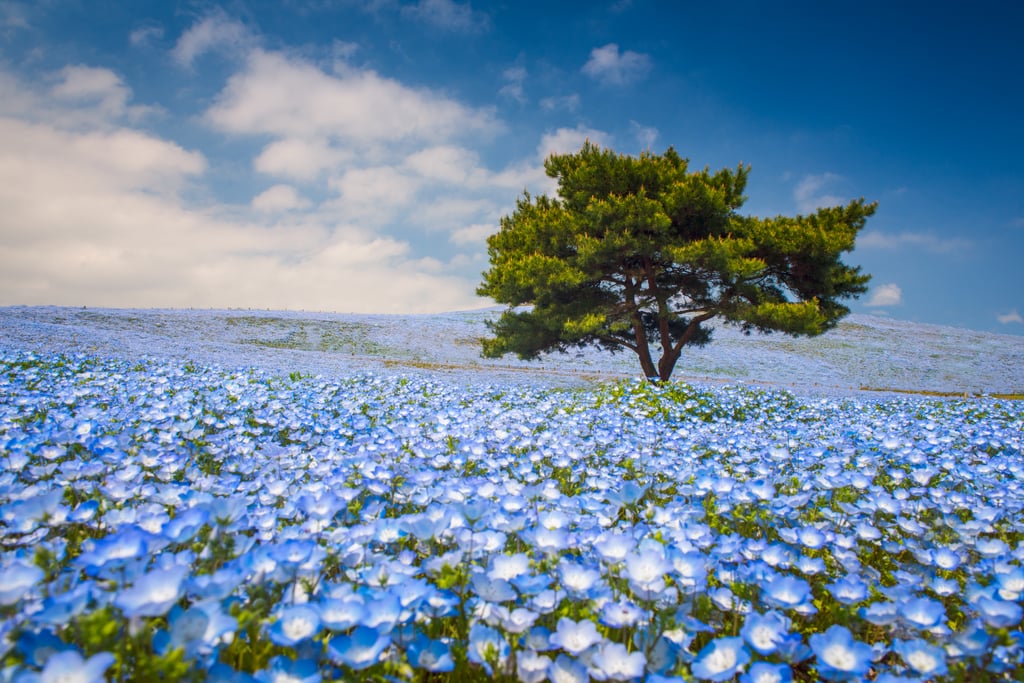
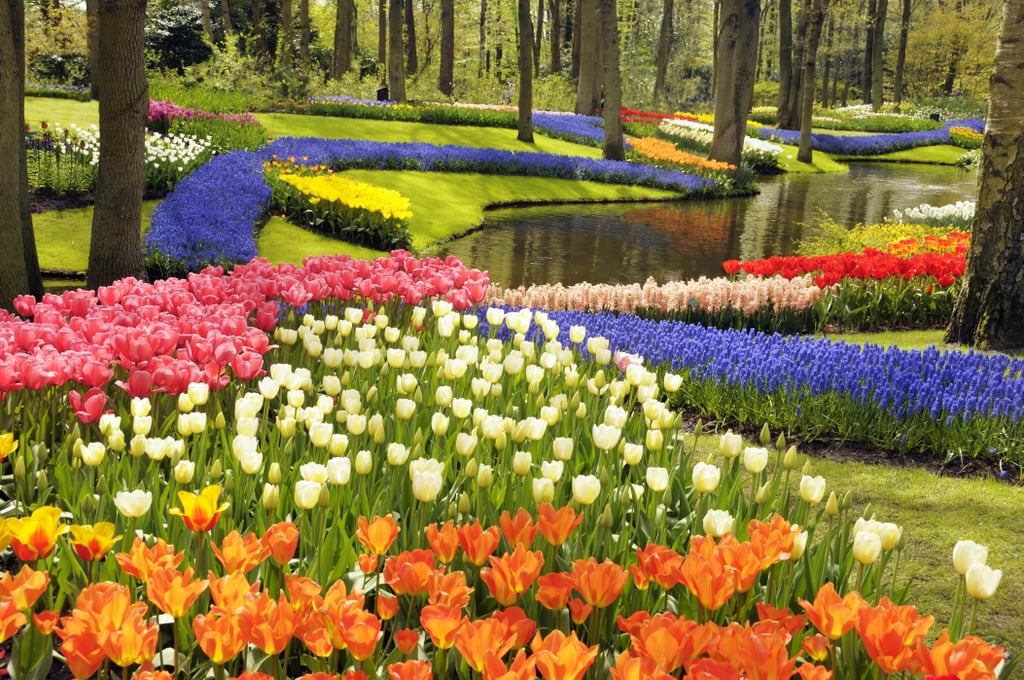
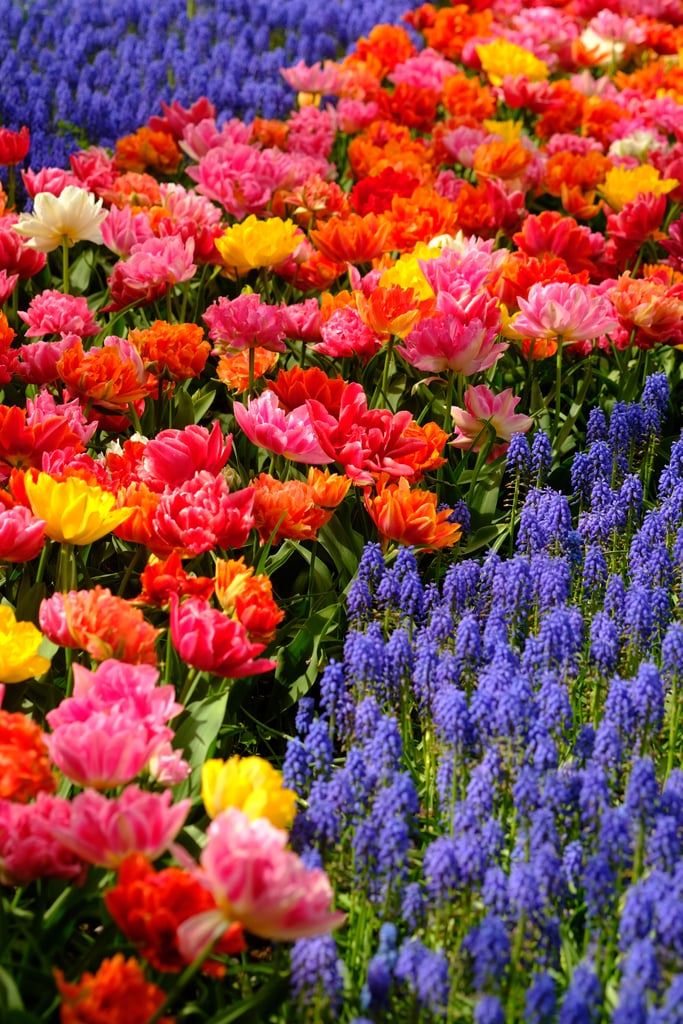
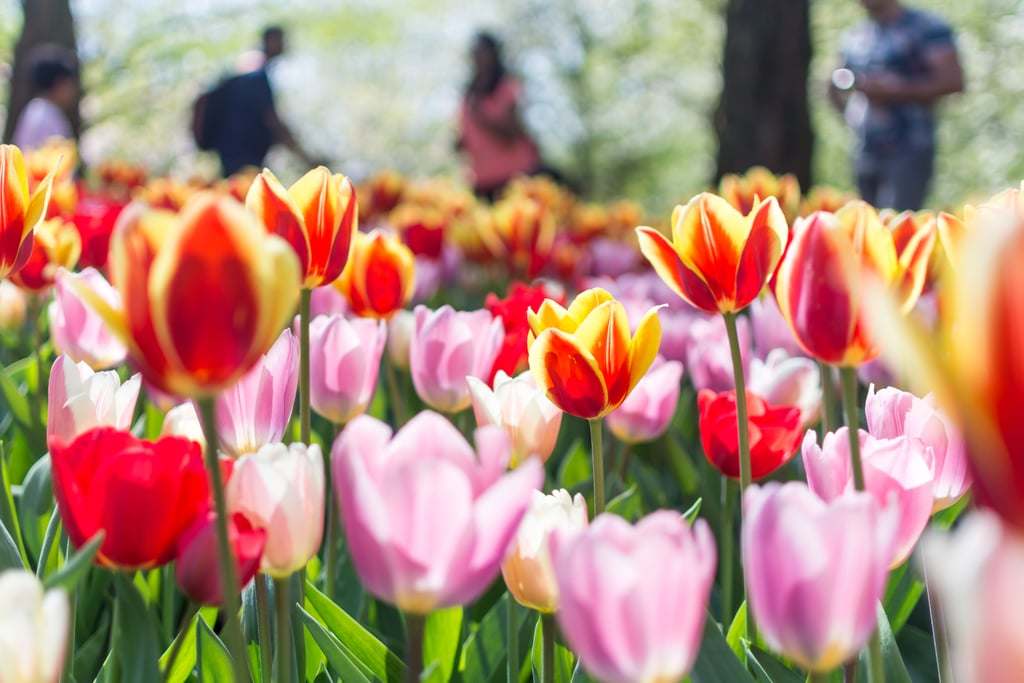
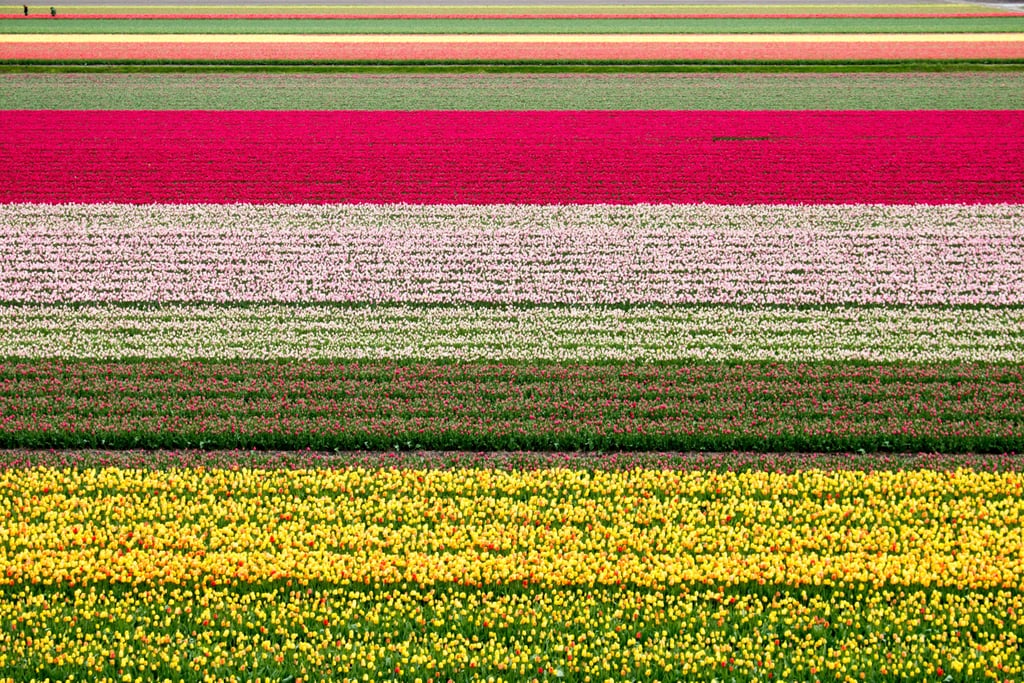
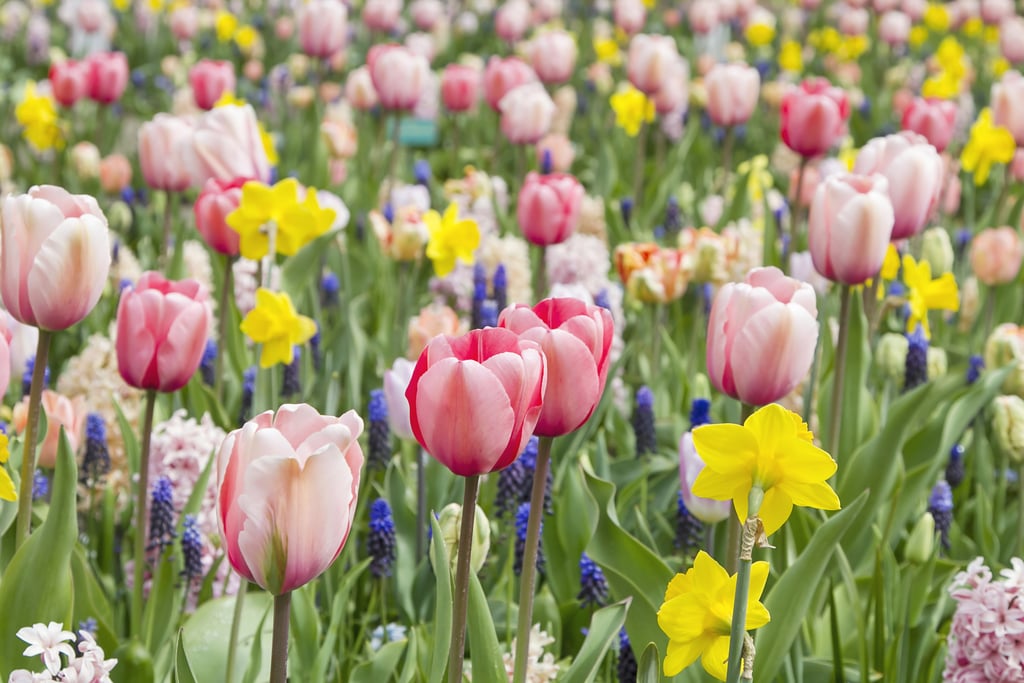
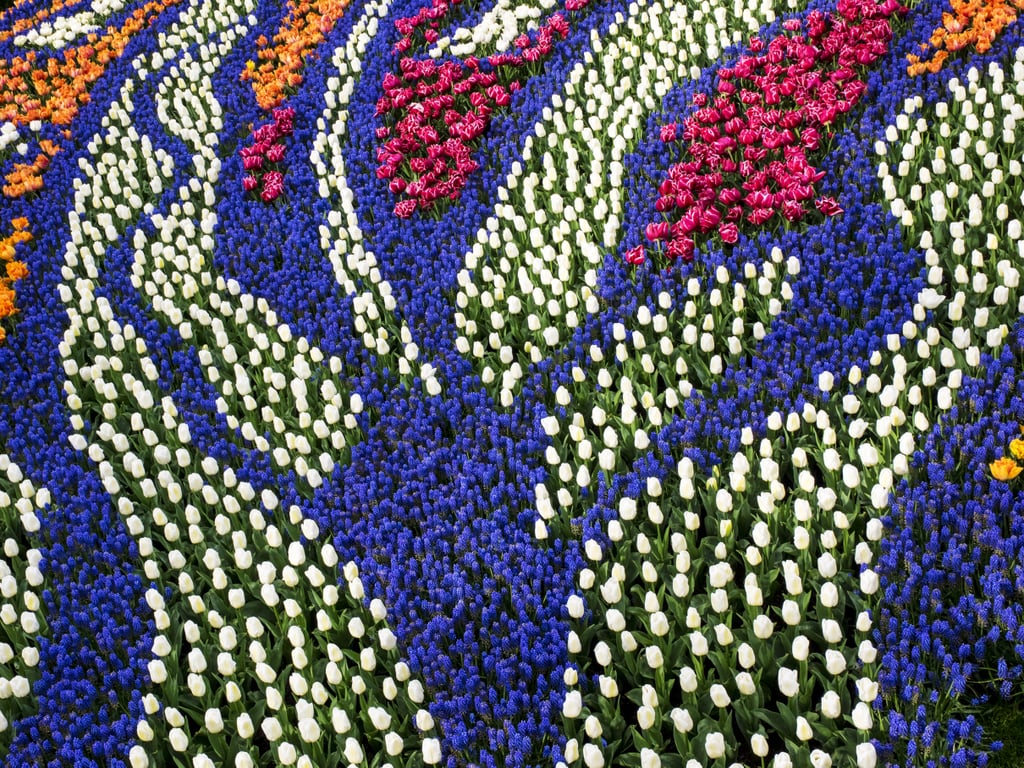
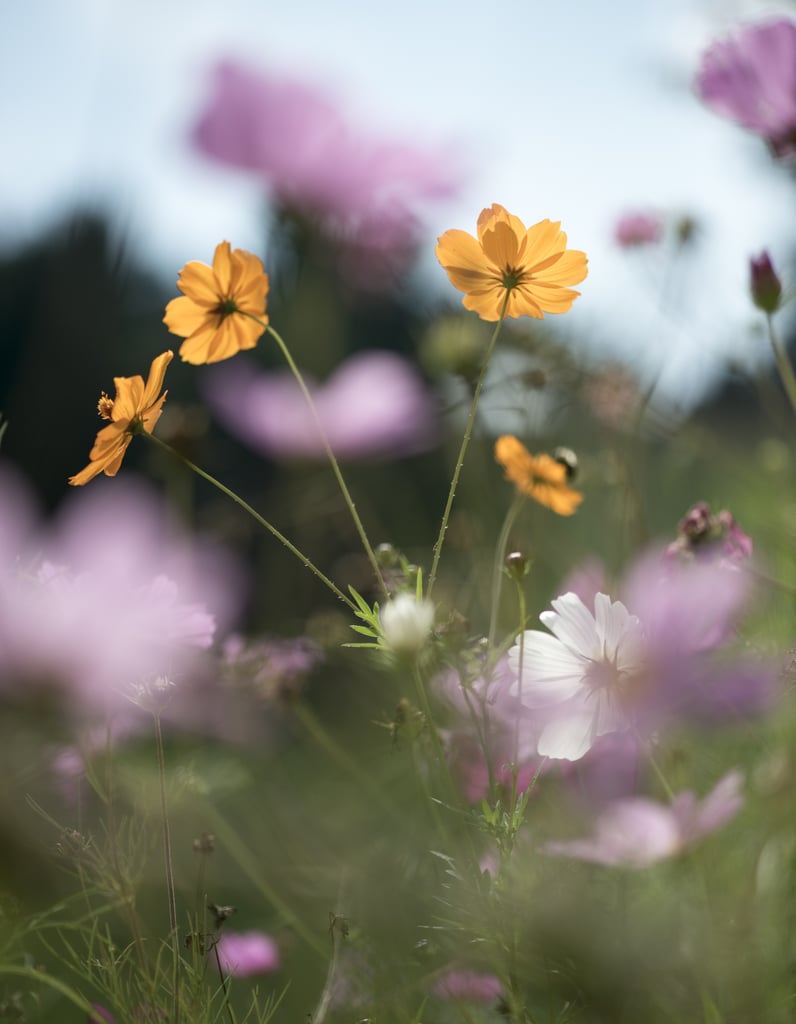
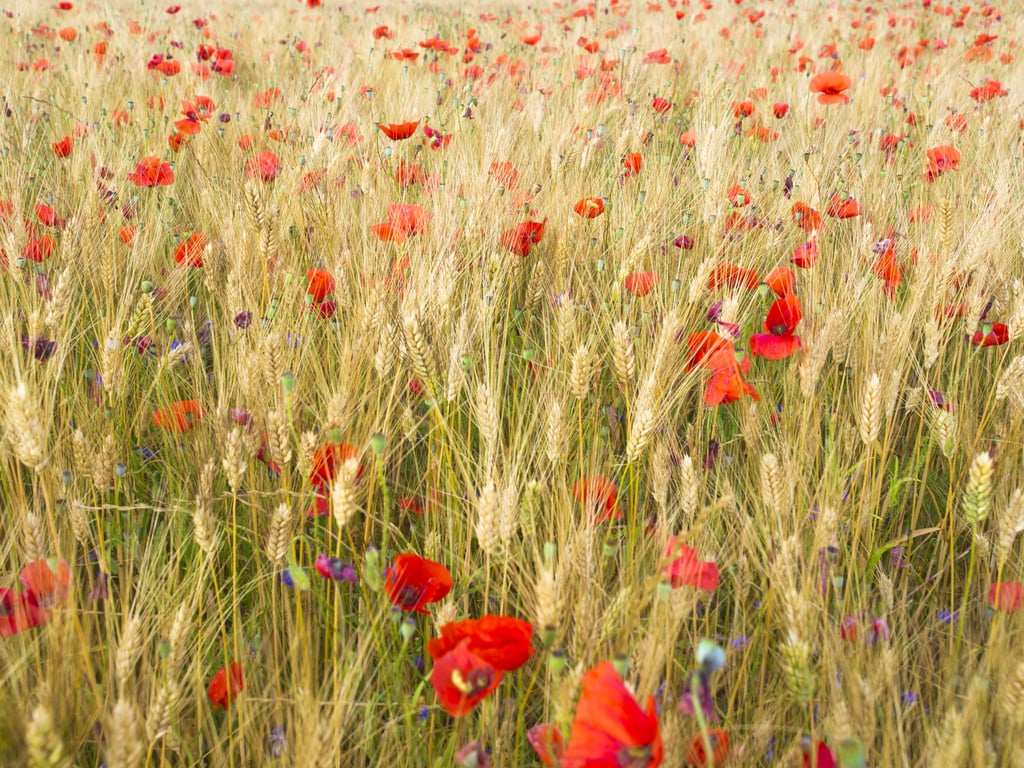
While many people go "leaf peeping" in the Fall, now is the time to plan your trip to view the world's most gorgeous flowers in the springtime. There's no better way to celebrate the season than by appreciating the blooming gardens around the globe. Some of the world's biggest and best Spring flower fields range from top international destinations to small towns in the United States. From flower festivals to travel-worthy gardens, we've rounded up the 10 best destinations to visit this Spring to see gorgeous flowers.
Related:
These Unreal Pics of the 2019 Super Bloom Will Have You Booking a Flight to SoCal ASAP

While many people go “leaf peeping” in the Fall, now is the time to plan your trip to view the world’s most gorgeous flowers in the springtime. There’s no better way to celebrate the season than by appreciating the blooming gardens around the globe. Some of the world’s biggest and best Spring flower fields range from top international destinations to small townsin the United States. From flower festivals to travel-worthy gardens, we’ve rounded up the 10 best destinations to visit this Spring to see gorgeous flowers.
1

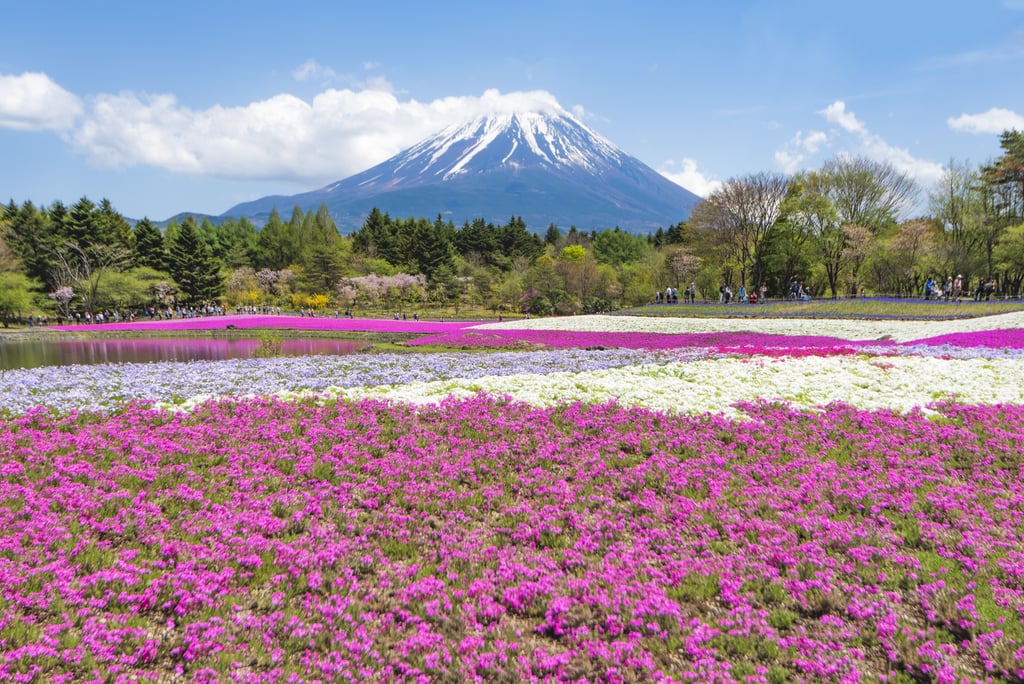
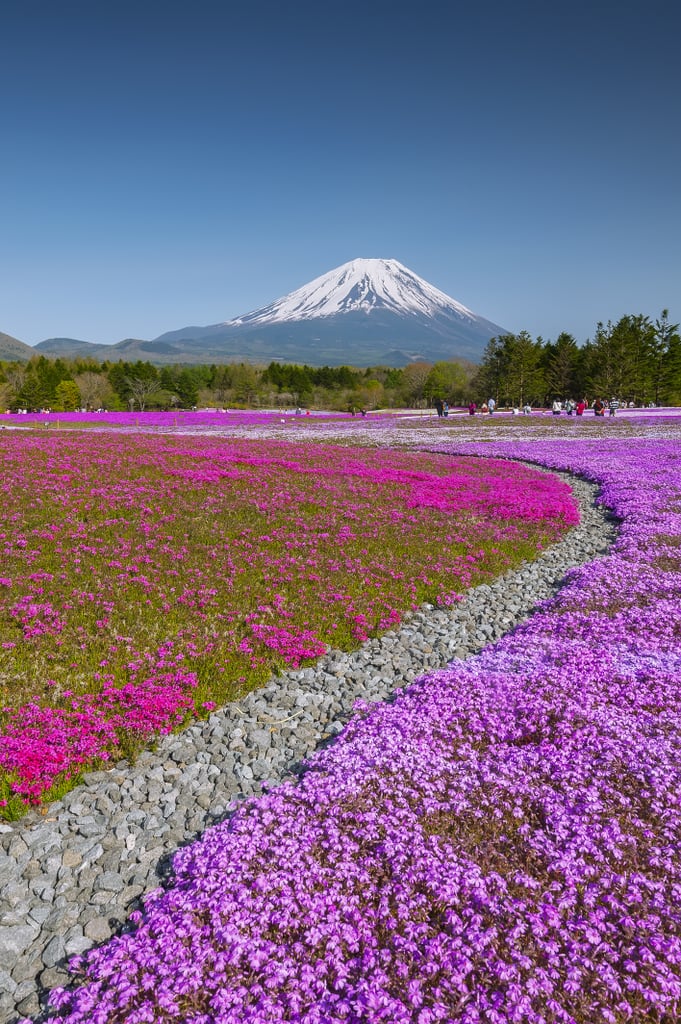
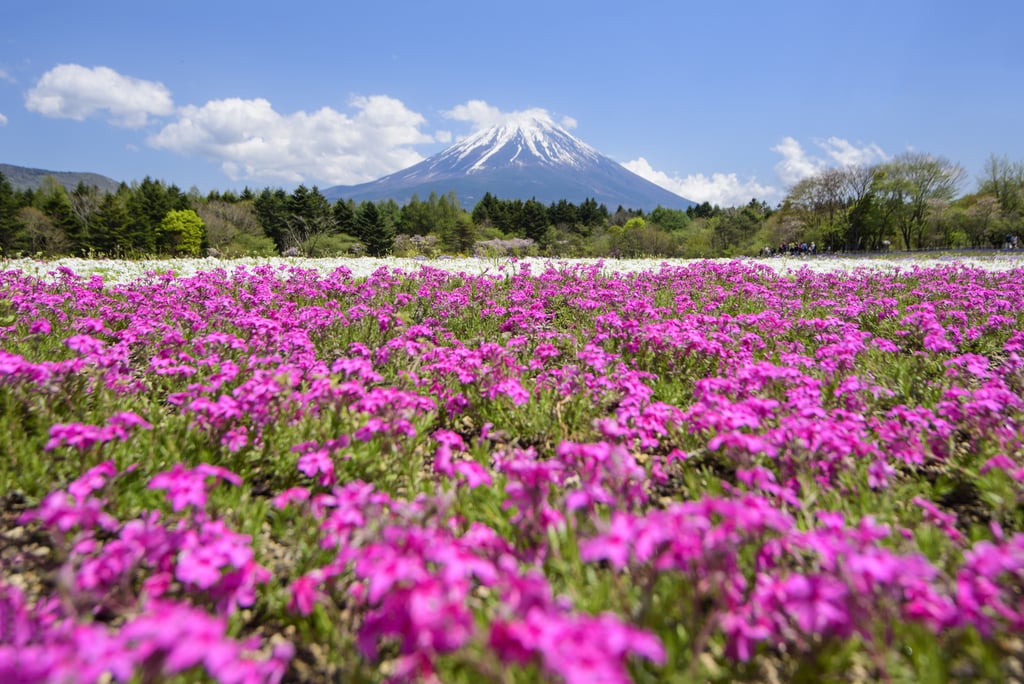
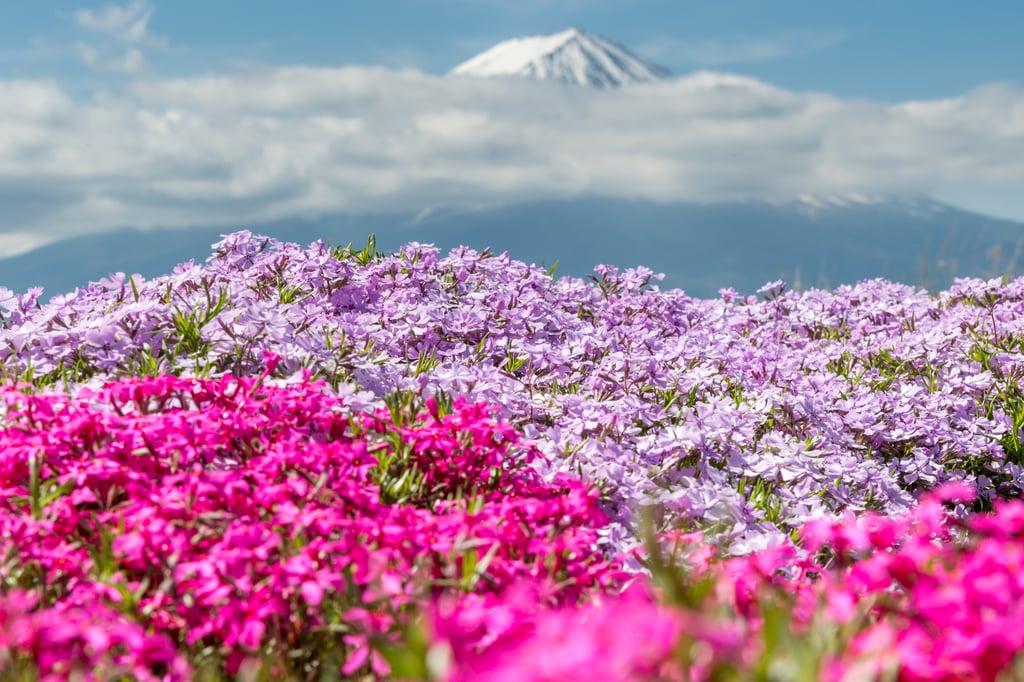
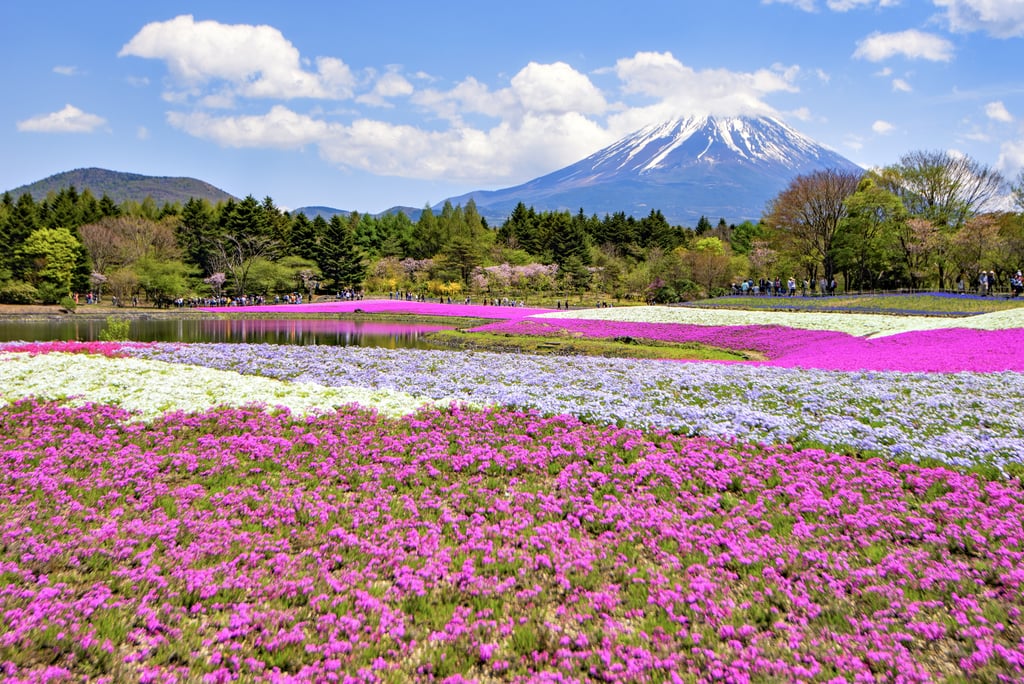
Mount Fuji, Japan

The magnificent flower park located right next to Mount Fuji is a must-visit this Spring. The Shibazakura is a flower that, as it grows, covers the entire ground, making a vibrant pink lawn with views of the mountain for a backdrop. It’s a magical view that’s once in a lifetime for most travelers. Another place to view the scene is at the Fuji Shibazakura Festival in the town of Fuji Kawaguchiko in Yamanashi Prefecture, from April 13 to May 26.

5

Great Smoky Mountains, North Carolina

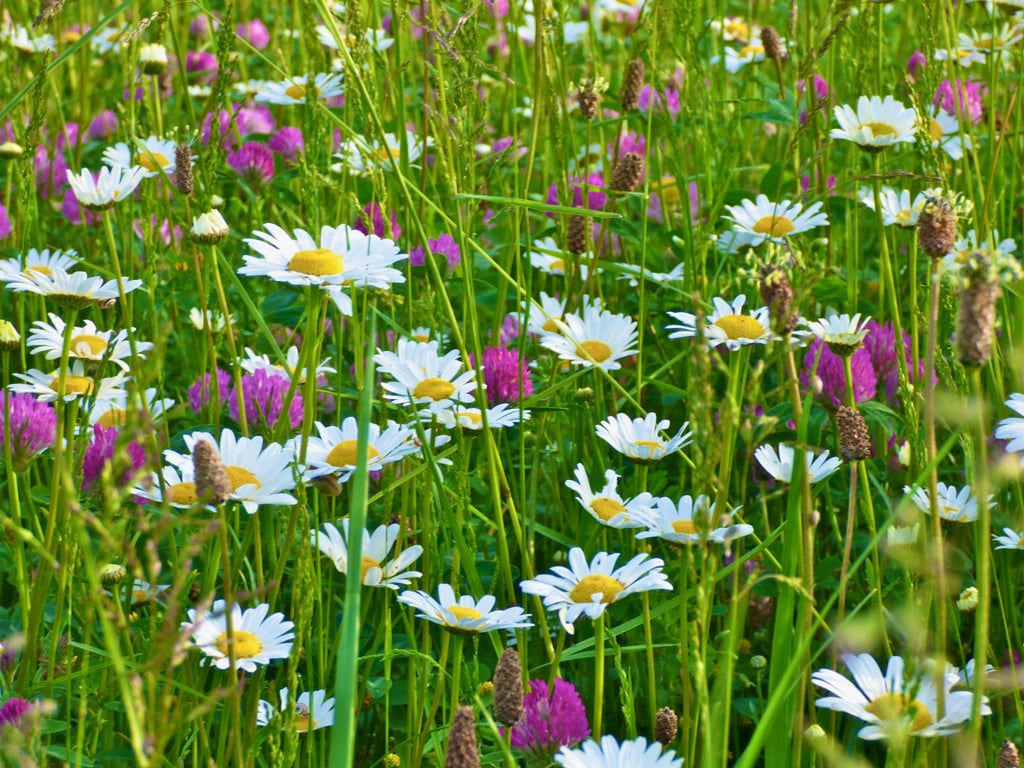
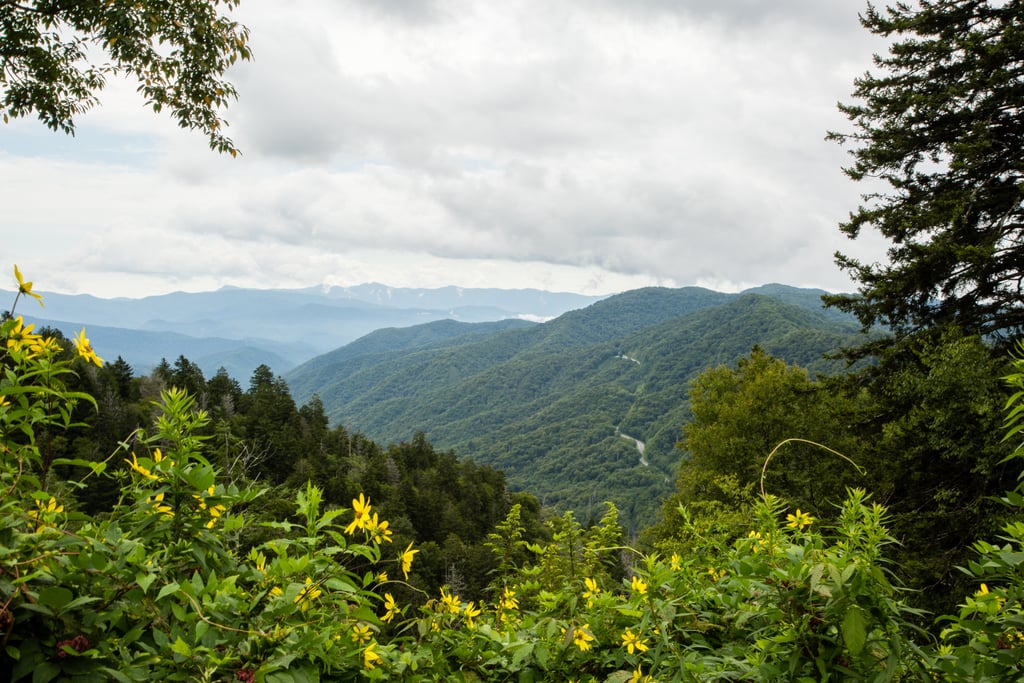
When Spring arrives, the Blue Ridge will once again transform into a lush green blanket filled with dazzling wildflowers. The Great Smoky Mountains National Park offers a wide variety of wildflower trails to enjoy this Spring. The trails vary in difficulty, allowing visitors to take an easy stroll or get in a good workout with higher elevation and rougher terrain. Offering more than traditional views, visitors can also take advantage of the Spring Wildflower Pilgrimage, a 69-year-old tradition in April featuring professional guided walks and exhibits for a unique experience immersed in nature for flower-lovers.

5

Great Smoky Mountains, North Carolina

When Spring arrives, the Blue Ridge will once again transform into a lush green blanket filled with dazzling wildflowers. The Great Smoky Mountains National Park offers a wide variety of wildflower trails to enjoy this Spring. The trails vary in difficulty, allowing visitors to take an easy stroll or get in a good workout with higher elevation and rougher terrain. Offering more than traditional views, visitors can also take advantage of the Spring Wildflower Pilgrimage, a 69-year-old tradition in April featuring professional guided walks and exhibits for a unique experience immersed in nature for flower-lovers.

6

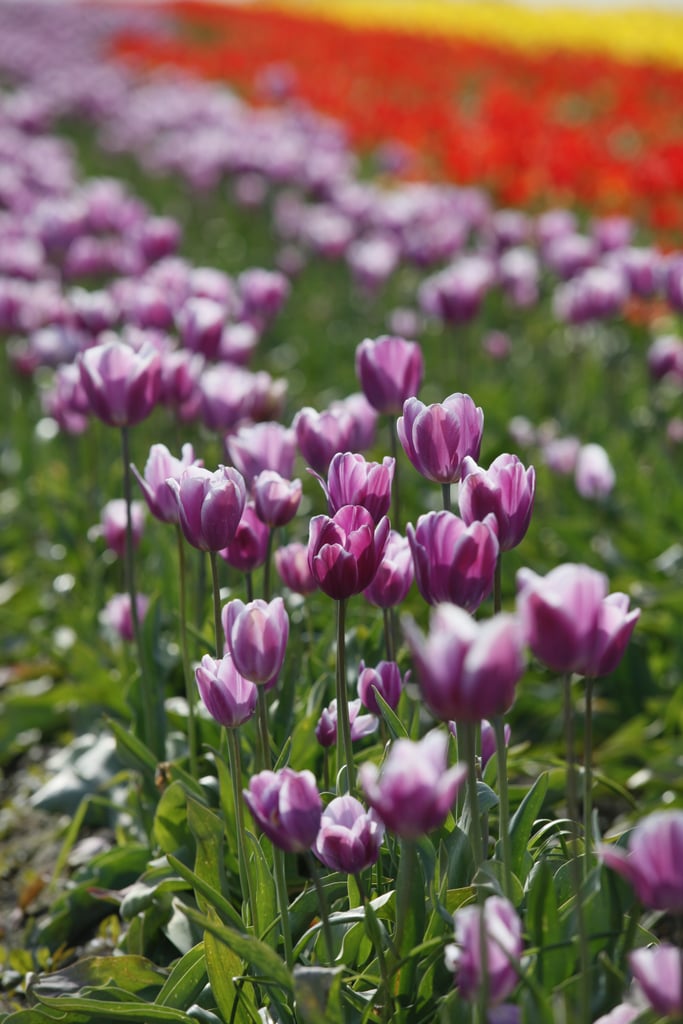
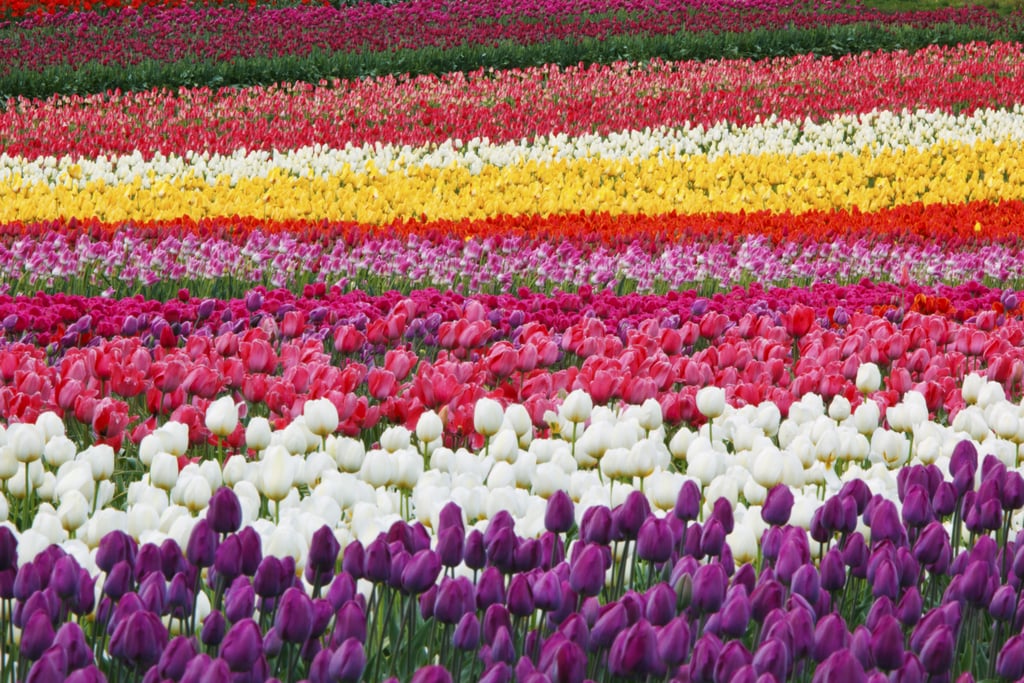
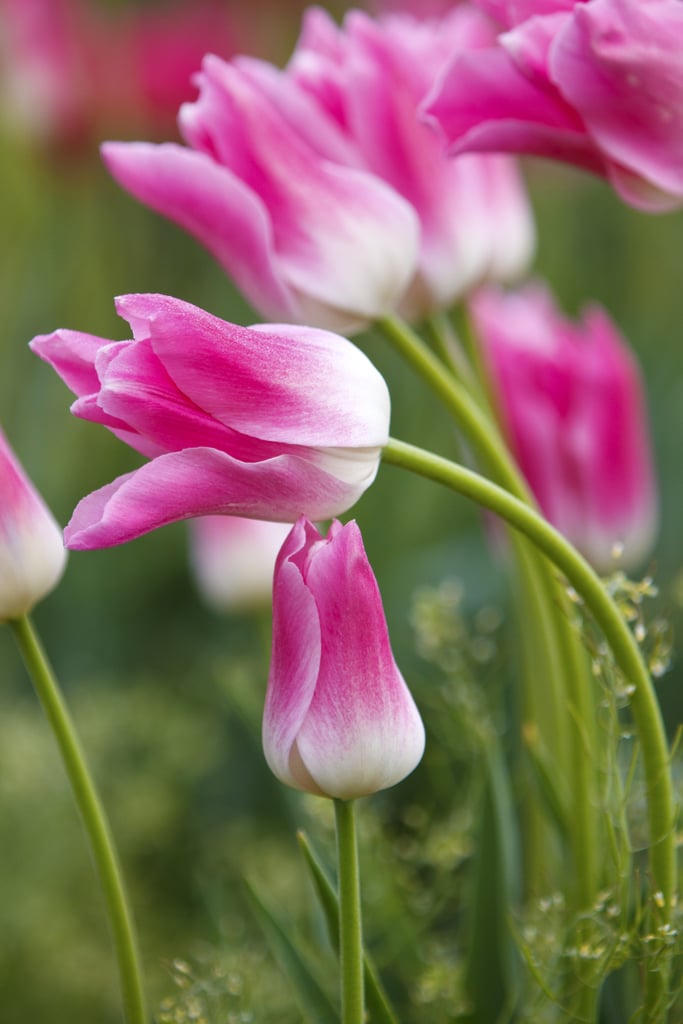
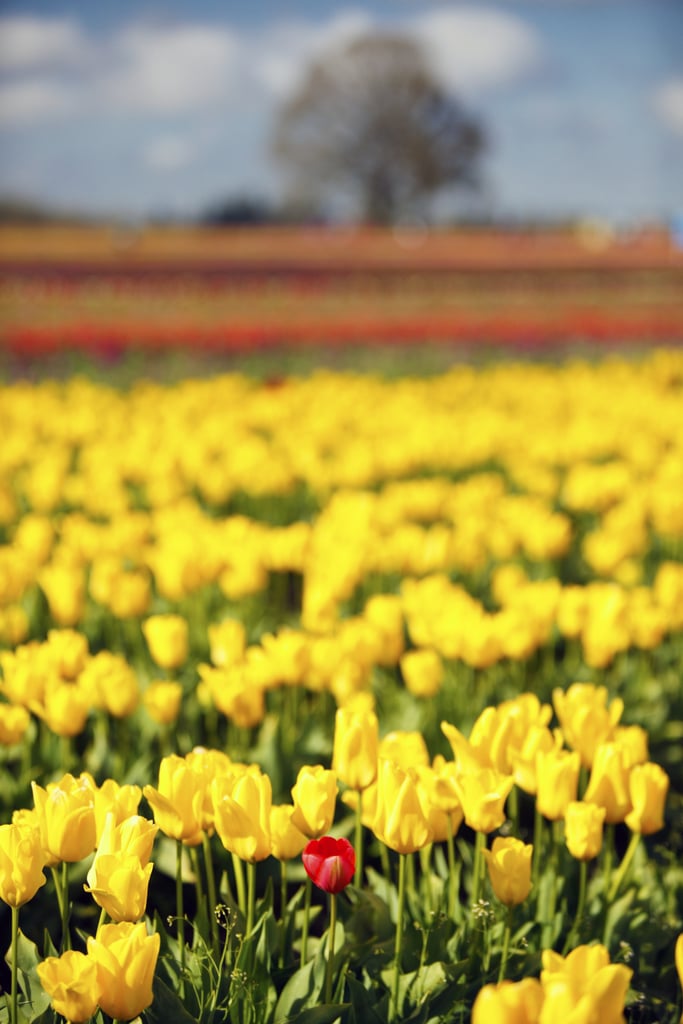
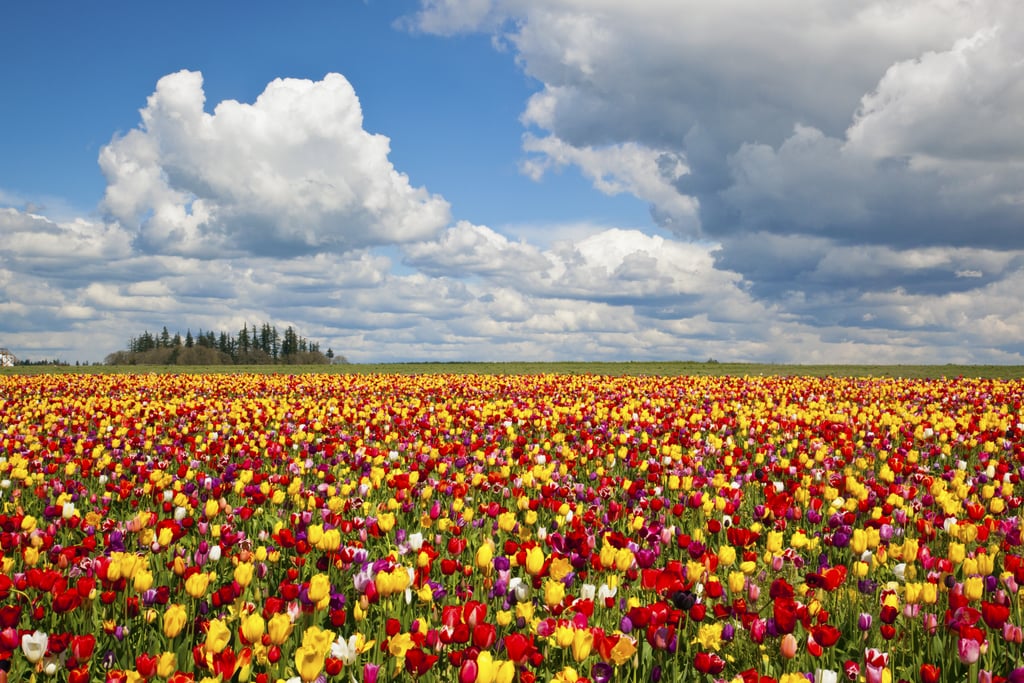
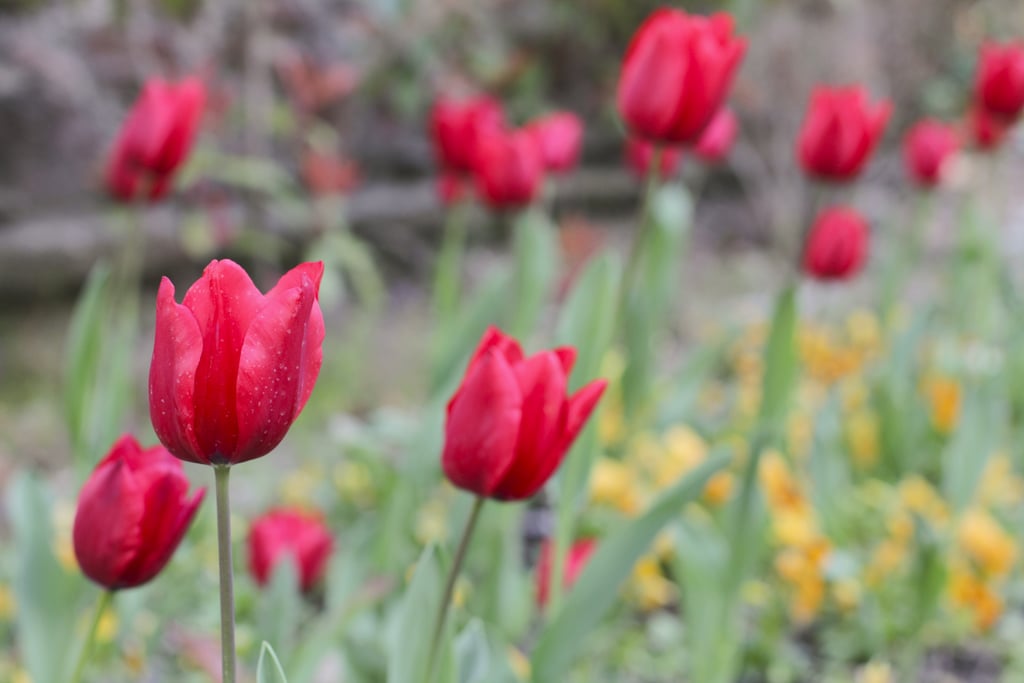
Wooden Shoe Tulip Farm, Oregon

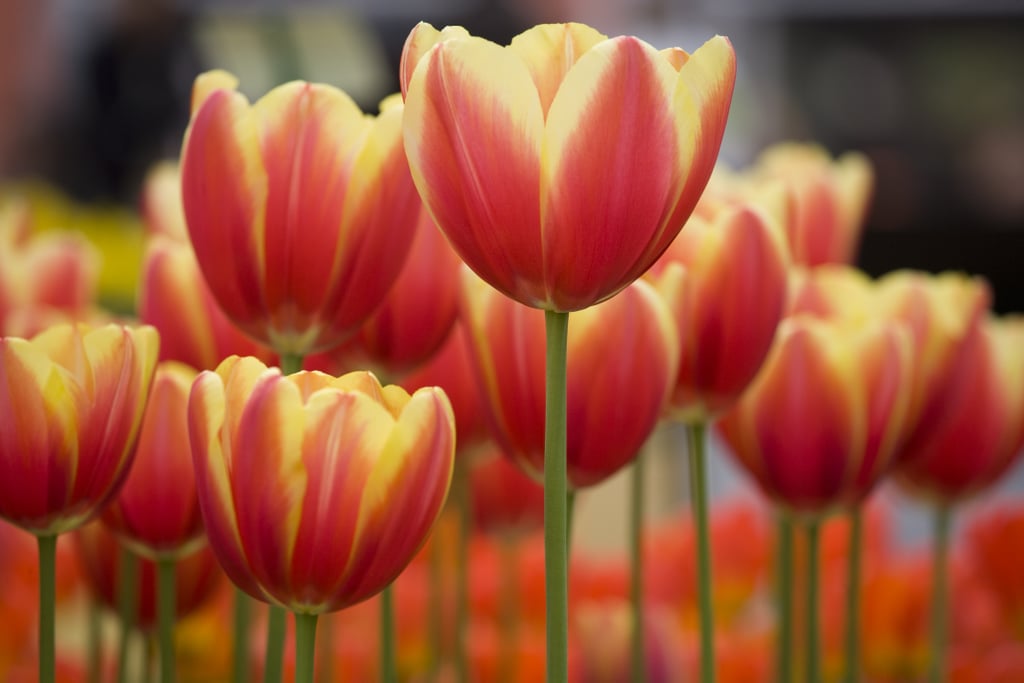
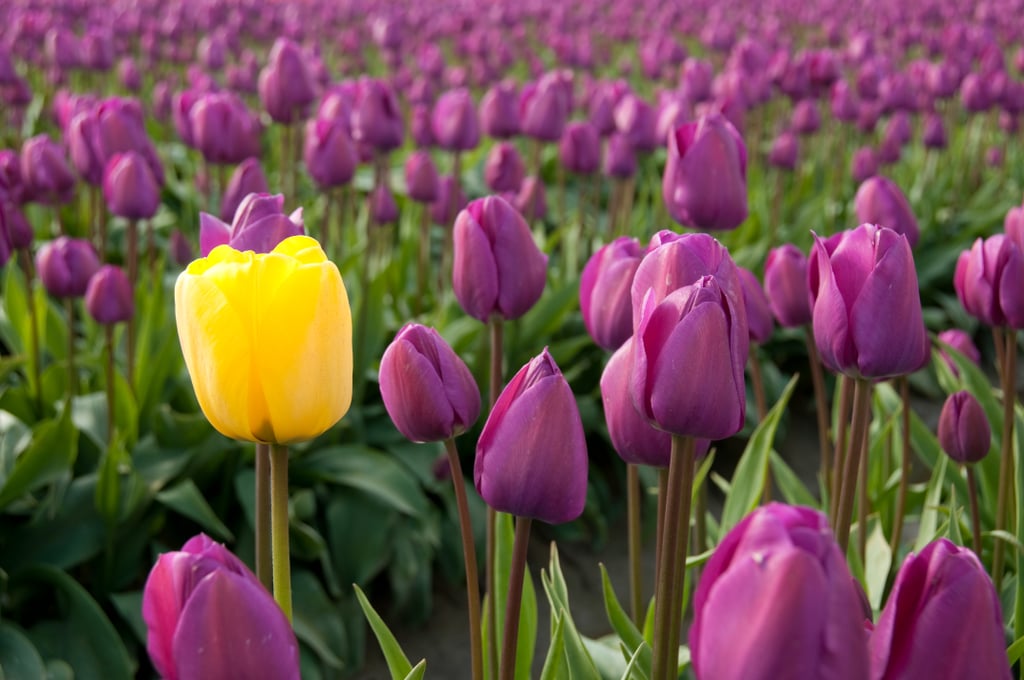
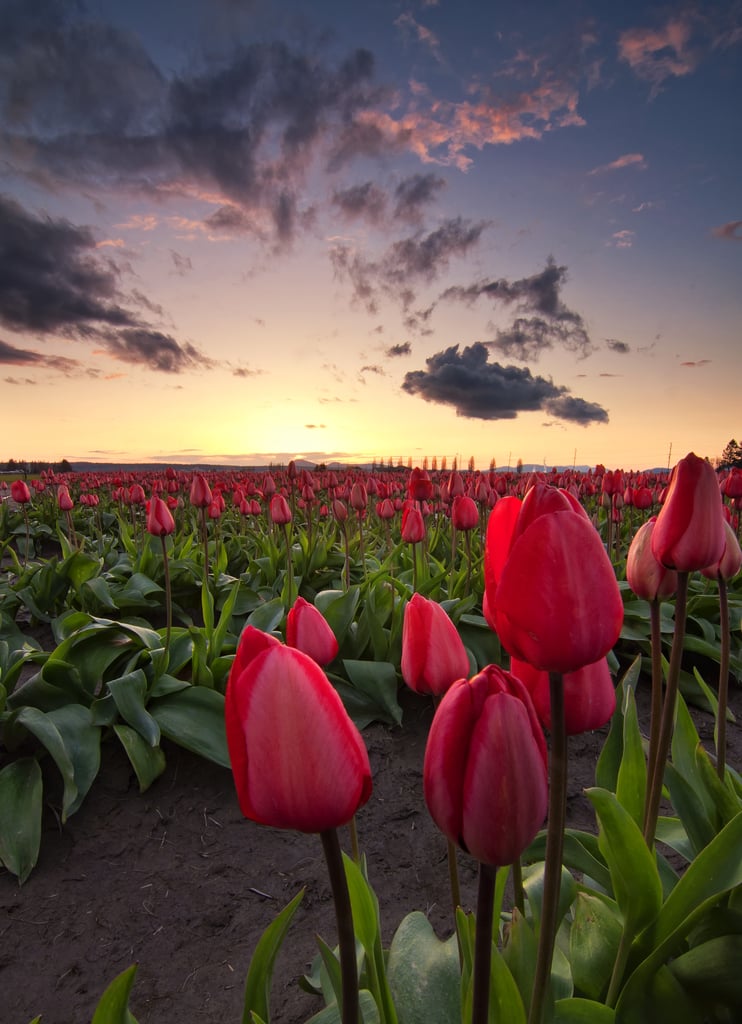
The Wooden Shoe Tulip Farm in Oregon specializes in tulip and daffodil bulbs and is home to the annual Tulip Fest from March 23 to April 29 with more than 40 acres of beautiful blooming bulbs. Spring is the perfect time to visit Oregon and is a paradise for any photographer. For fewer crowds and great lighting, go to the farm during sunrise. Travelers can even make a full trip out of it and drive 40 minutes to Portland, the state’s largest city.

8

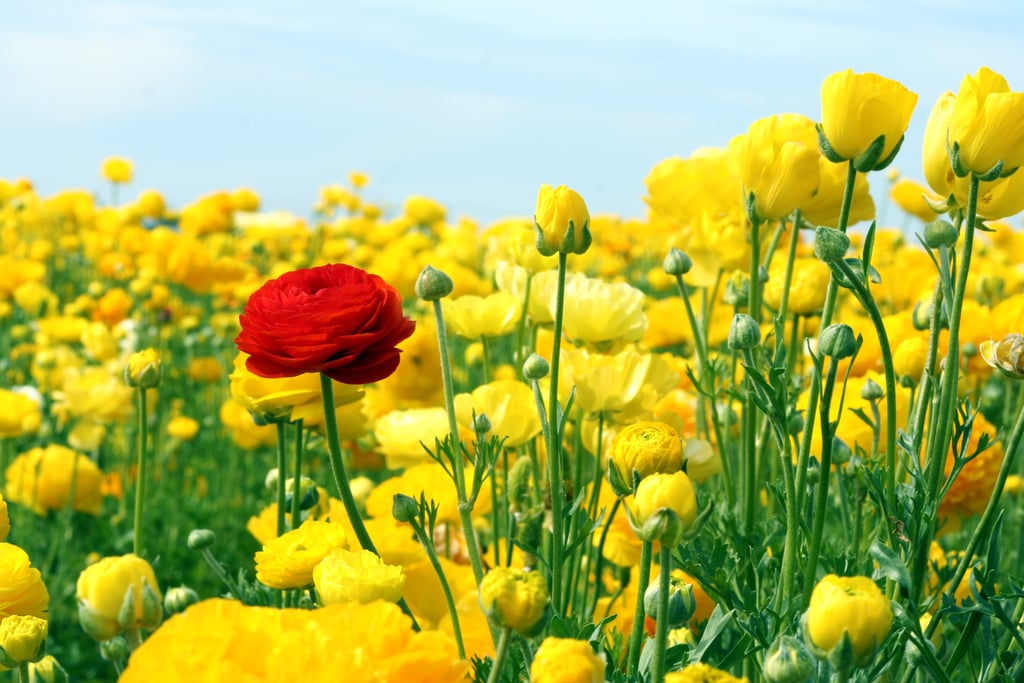
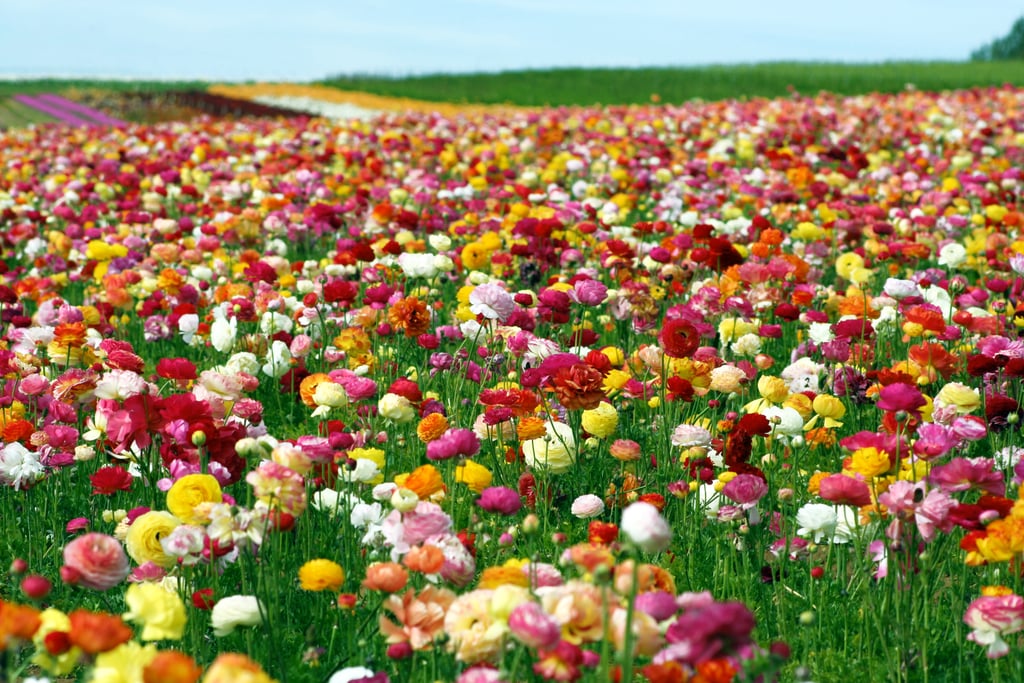
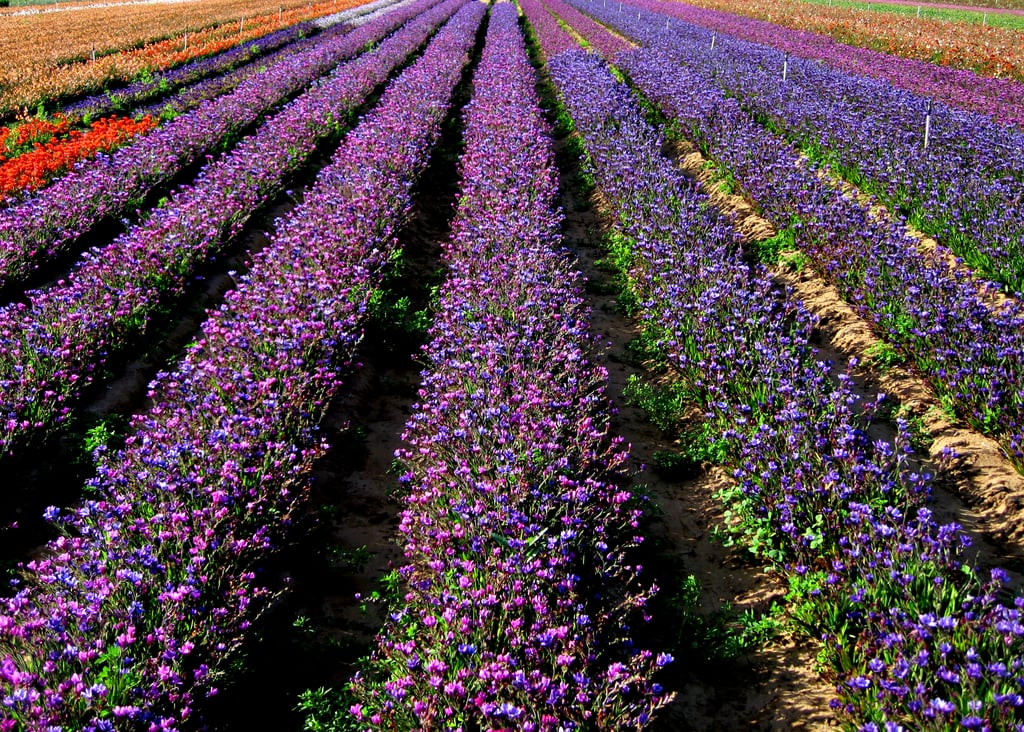
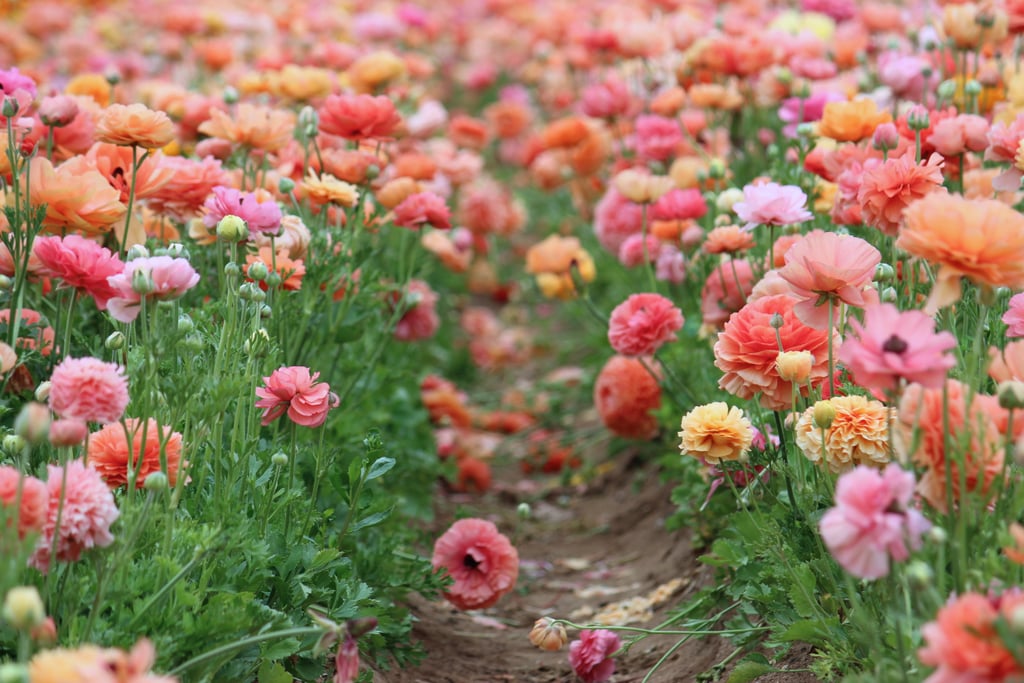
Flower Fields, Carlsbad, California

The 50-acre Flower Fields in Carlsbad opens up once a year in Spring, from March 1 through May 10. Visitors can view the ranunculus, orchids, sweet pea blossoms, petunias, and more. A short drive from the fields is Rancho Bernardo Inn, a resort where guests can enjoy unique spa treatments that infuse the local florals. Pretreatment, guests can forage in the garden with their therapist to gather seasonal herbs and fruits to be used in the spa treatment within a custom blended scrub. The best part? The remaining gathered ingredients are sent straight to the bar and crafted into a freshly infused cocktail to sip on by the spa pool in a private cabana.

9

Skagit Valley Tulip Festival, Washington

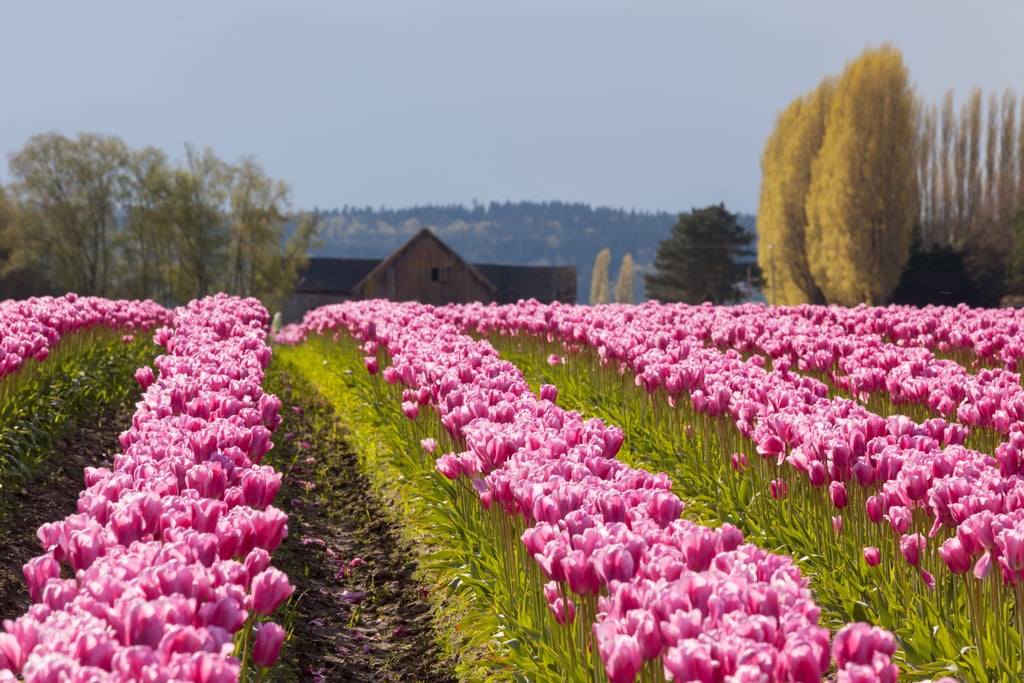
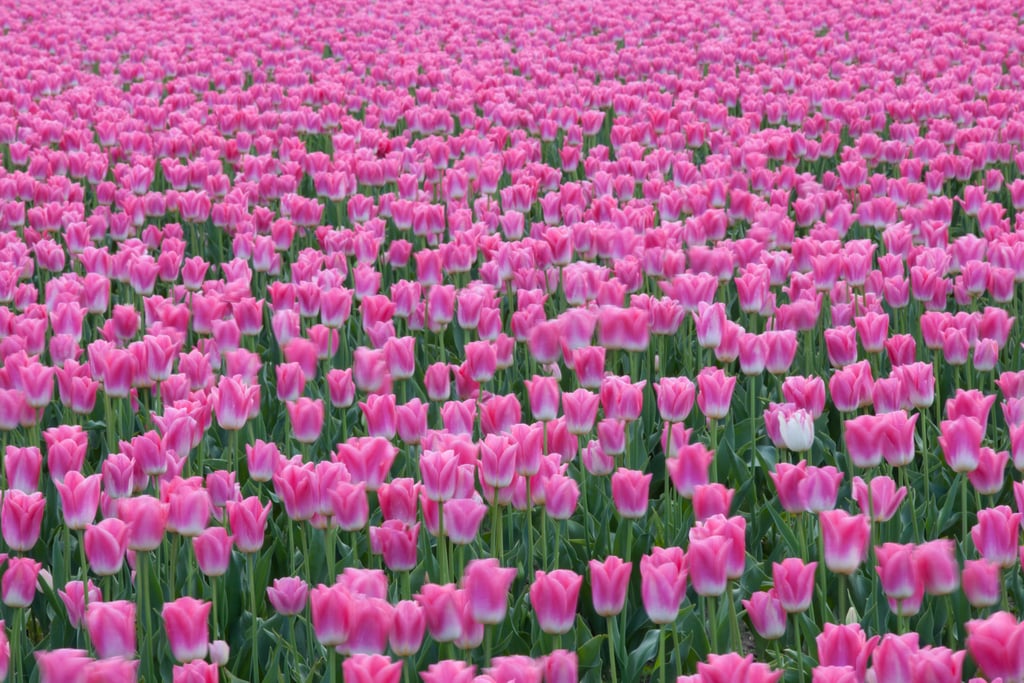
From April 1 to 30, the annual Skagit Valley Tulip Festival brings tons of visitors to Washington. The festival is designed as a driving tour, to make it as easy as possible to view the scattered tulips throughout the valley. This festival is among the largest in Washington, attracting up to 1 million visitors every year, both American and international. The area covered by flowers is quite large, so you can always find a quiet spot without crowds.

Design a site like this with WordPress.com
Get started